A new fight over federal surveillance powers is unfolding as members of the House Freedom Caucus press for sweeping changes to Section 702 of the Foreign Intelligence Surveillance Act.
The group said Congress should not renew the authority without adding new privacy protections and a permanent ban on a central bank digital currency.
The debate intensified after both chambers approved a 45‑day extension in April to allow more time for negotiations. Freedom Caucus members opposed the short‑term measure, saying it failed to address concerns about warrantless surveillance and the potential for financial monitoring through a government‑issued digital token.
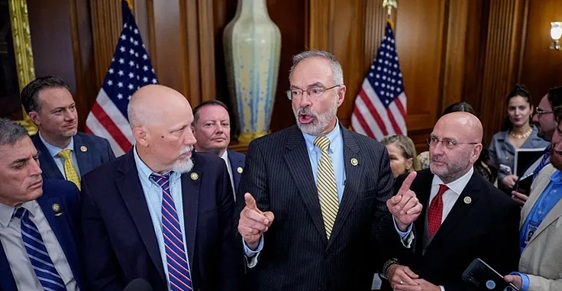
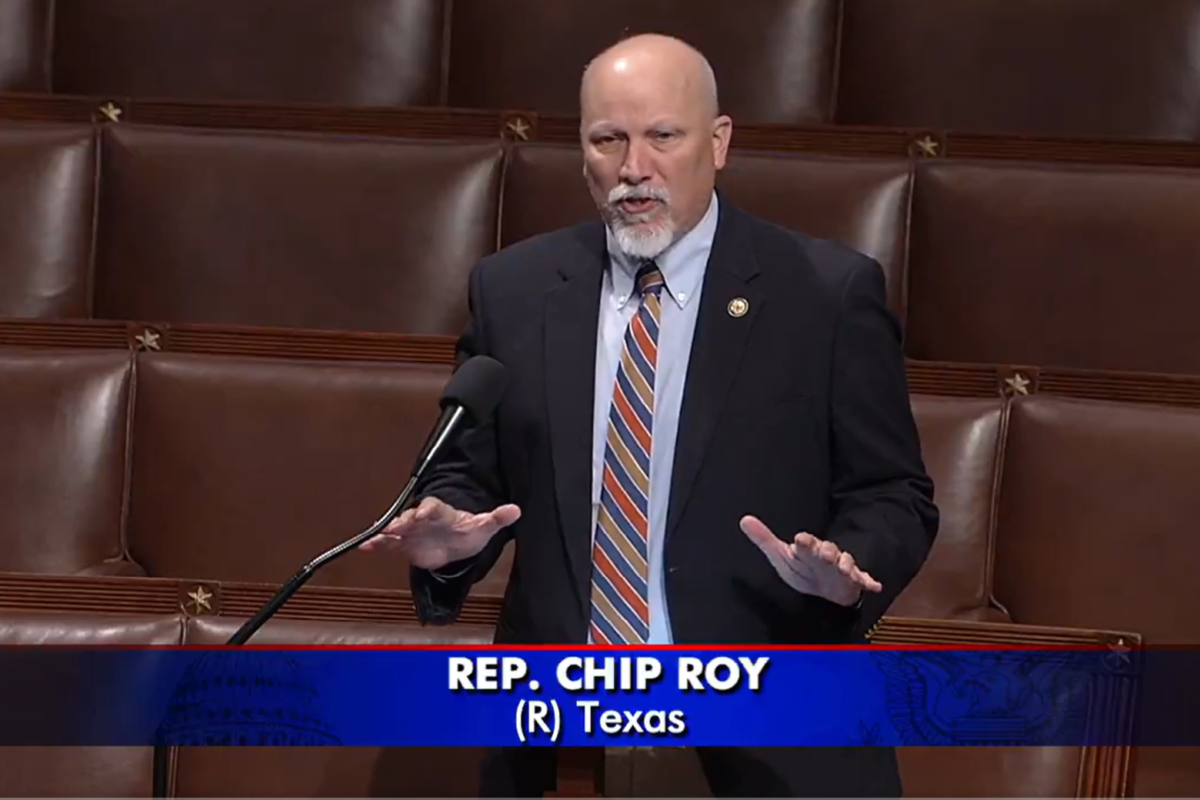
At a news conference in late April, Texas Representative Chip Roy said the Senate’s resistance to adding a CBDC ban created a standoff. He told reporters, “If the Senate thinks they’re going to keep rolling over us, it’s just not going to happen.”
Roy added that the House should continue pushing for the provision. “CBDC can still make it across the finish line. Let’s just push on,” he said.
Another Freedom Caucus member, Pennsylvania Representative Scott Perry, said his constituents worry about the implications of a government‑issued digital currency. He said, “They don’t want the government monitoring their bank accounts, telling them what they can buy, when they can buy it and when they’re not allowed to buy.”
The group’s push for a CBDC ban is part of a broader effort to limit federal surveillance.
A Freedom Caucus spokesperson said, “Americans don’t want Big Brother in their cars, their bank accounts, or their homes. The gloves are coming off before FISA expires on June 12.”
Roy has also urged Congress to repeal a requirement directing a federal agency to draft a rule mandating impaired‑driver technology in new vehicles. He said the proposal could lead to intrusive data collection. During an April hearing, he asked, “Do you really want to put that kind of data collection mandated inside every car? At what point is there just literally no privacy at all anywhere?”
Privacy advocates in both parties have long pushed for a warrant requirement when the government sweeps up Americans’ communications during foreign‑targeted surveillance. Freedom Caucus members said the upcoming renewal debate offers a rare opportunity to add that protection.
Roy said a clean extension of Section 702 is no longer viable. He told reporters, “We’re not going to pass something that’s a long-term, clean reauthorization. I think that’s been taken off the table. We’ve demonstrated that, and we’re going to get reforms.”
The Trump administration initially sought an 18‑month extension, but the proposal encountered resistance from lawmakers who want changes before any long‑term renewal. The House is expected to take up the issue again as the June deadline approaches.