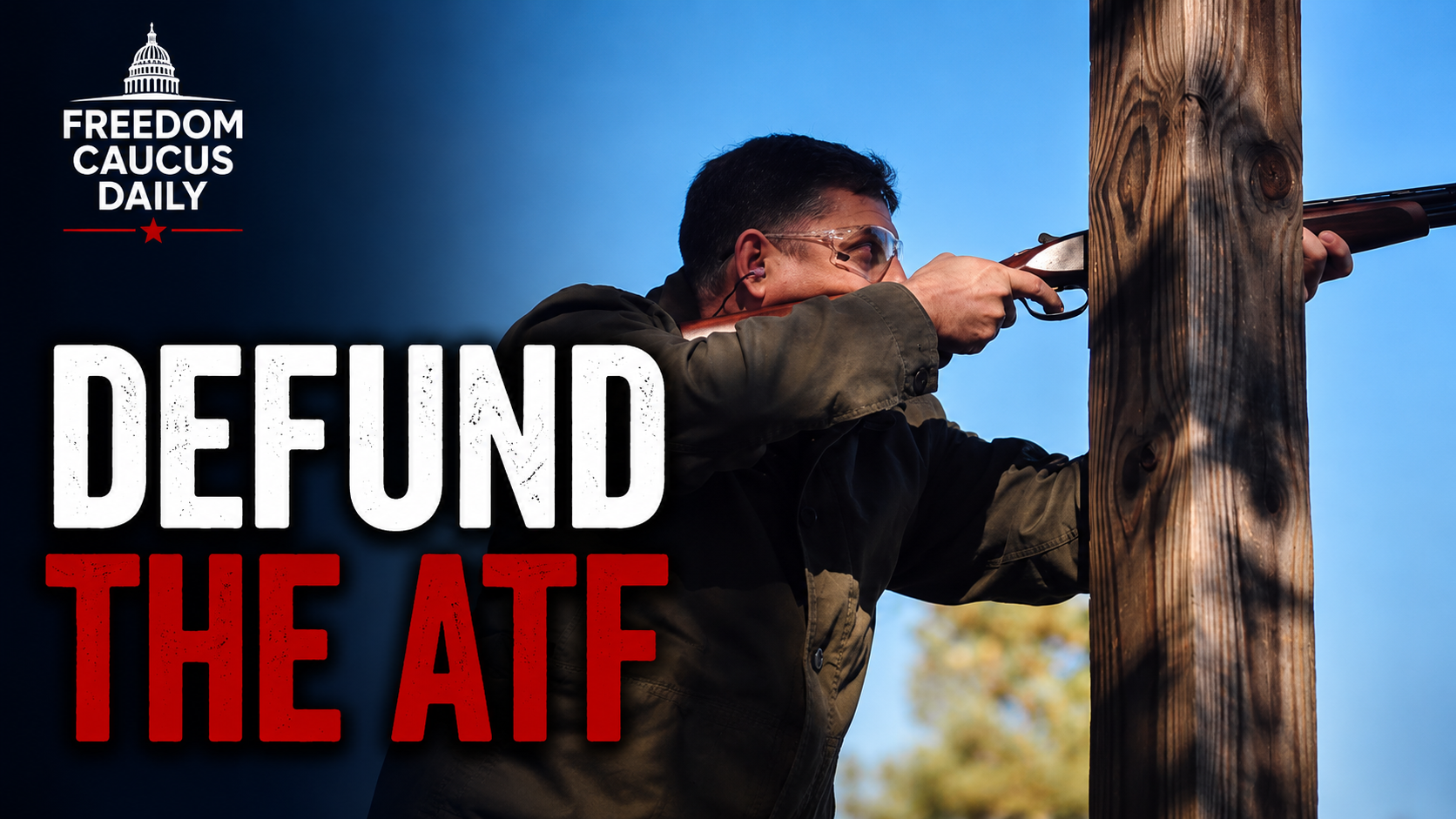
A new push to limit federal firearms regulation is taking shape in the House as Georgia Representative Andrew Clyde advances a series of proposals aimed at dismantling key ATF rules and reducing the agency’s funding.
The effort follows years of disputes between gun‑rights advocates and the Bureau of Alcohol, Tobacco, Firearms and Explosives over its use of administrative rulemaking to reinterpret long‑standing statutes.
Clyde outlined his position in a recent statement circulated by his office and allied advocacy groups. He wrote, “The ATF has long operated as an agency at war with the American people. Thankfully, it’s no longer run by the gun grabbing Biden Administration. Yet we still must cut the ATF’s budget and defund unconstitutional regulations in order to PROTECT & RESTORE our 2A freedoms.”
The congressman’s proposals target several ATF rules that have been the subject of litigation, including regulations on pistol braces, forced‑reset triggers, and the definition of who qualifies as a firearms dealer.
Clyde has argued that these rules amount to lawmaking without congressional approval, a claim echoed by organizations such as Gun Owners of America, which has supported his legislative efforts.
Another component of Clyde’s agenda involves appropriations. His office has promoted amendments that would reduce the ATF’s funding levels and block the use of federal dollars to enforce specific regulations.
Supporters of the effort say the agency’s budget should reflect a narrower mission focused on criminal activity rather than regulatory expansion. Opponents of similar proposals in the past have warned that cuts could hinder firearms‑trafficking investigations and strain partnerships with state and local law enforcement.
Clyde’s official issue brief describes the ATF as an agency that “has repeatedly targeted law‑abiding gun owners,” and calls for Congress to reassert its authority over firearms policy.
The brief also promotes legislation that would overturn several recent ATF rules and restrict the agency’s ability to issue new ones without explicit authorization from lawmakers.
Gun Owners of America has highlighted recent court decisions that questioned the ATF’s authority to reinterpret statutory definitions.
Clyde has cited those rulings as evidence that Congress should intervene to limit the agency’s discretion. His office has also emphasized the need for what it calls “regulatory rollback” to prevent future administrations from expanding firearms rules through executive action.
The proposals arrive as House appropriators begin drafting spending bills for the upcoming fiscal year. Clyde’s amendments are expected to be part of those discussions.
The House Judiciary Committee has scheduled additional oversight hearings that will examine the ATF’s recent regulatory actions and the legal challenges surrounding them.