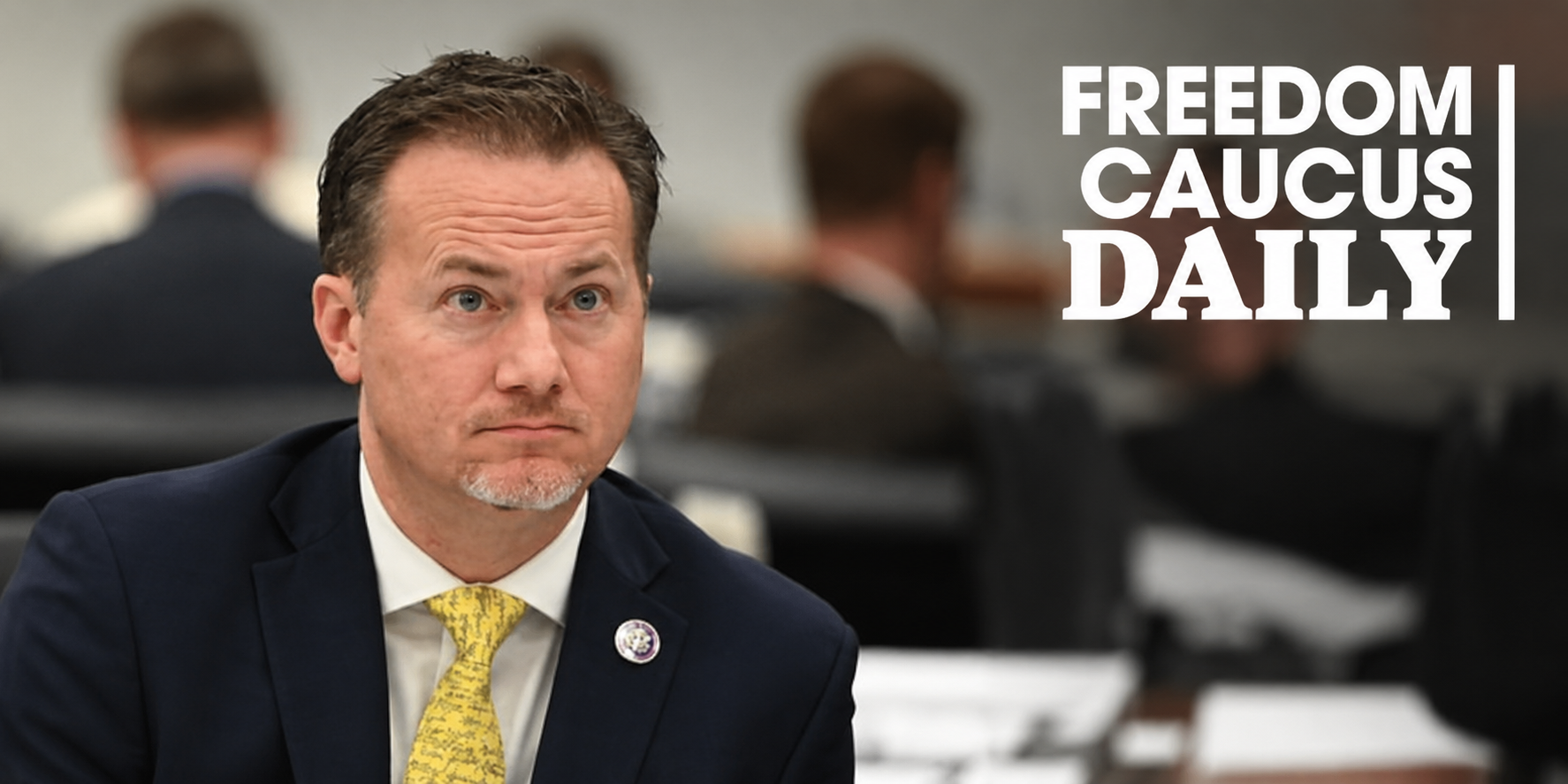
A renewed fight over federal vehicle‑monitoring requirements is unfolding on Capitol Hill, where lawmakers are moving to block implementation of what critics call a government‑mandated “kill switch” in new cars. The latest development came as an amendment from Texas Representative Michael Cloud cleared a key House committee, setting up a broader debate over surveillance, transportation policy, and the limits of federal authority.
Cloud announced the development in a statement that framed the issue as a matter of constitutional rights rather than transportation regulation. “UPDATE: Language to kill the kill switch just advanced out of committee,” he wrote, before expanding on the amendment’s purpose.
“Our amendment to prohibit the FY27 THUD Appropriations bill from funding the kill switch mandate, advanced out of committee today. Taxpayer dollars should not fund a surveillance system that treats every law abiding American driver as a suspect. As we work to address very real problems, we cannot allow our Constitutional liberties to be shredded or create a world where every American driver becomes a node for data gathering.,” Cloud added.
The amendment targets a requirement embedded in the 2021 infrastructure law directing automakers to install technology capable of detecting impaired driving and, if necessary, disabling a vehicle. Supporters of the mandate have argued it could prevent thousands of deaths annually. Opponents, including Cloud and several members of the House Freedom Caucus, say the provision goes far beyond impaired‑driving detection and opens the door to real‑time monitoring of drivers.
The committee vote marks the first significant procedural step in the House to block funding for the mandate. It does not repeal the underlying law, but it would prevent the Department of Transportation from using appropriated funds to implement or enforce the requirement in the coming fiscal year.
Debate over the technology has intensified as privacy advocates warn that the system could evolve into a broader surveillance tool. Some lawmakers have tied the issue to other federal data‑collection concerns, including warrantless surveillance under Section 702 of the Foreign Intelligence Surveillance Act and the government’s use of commercial data brokers.
The transportation appropriations bill now moves to the full House, where the amendment is expected to draw both support and opposition from members who have raised questions about the scope of federal authority in vehicle safety regulation. The Senate has not yet signaled how it will approach the issue, setting up a potential clash as both chambers negotiate the final spending package later this year.