“This is not just fraud: This is a criminal enterprise that stretches far beyond the borders of America.”
That assessment comes from Anthony D’Esposito, Inspector General at the Department of Labor, who is leading an investigation into fraud within the H-1B visa program. D’Esposito described the probe in an interview at his Washington office, saying it has already uncovered ties to organized criminal networks.
The H-1B program brings roughly 120,000 foreign workers into the United States annually, primarily through Fortune 500 companies, staffing subcontractors, and other employers. Universities, hospitals, and non-profits face no cap on the number of H-1B workers they can sponsor. Visas can be extended indefinitely in three-year increments, and work permits are also issued to spouses, bringing the total number of jobs held by program participants to nearly 1 million.
D’Esposito’s investigation launched July 8 as part of Vice President JD Vance’s Task Force to Eliminate Fraud.
He explained the scope of what investigators have found so far. “In the short time that we have been investigating, we’ve already conducted multiple search warrants in multiple states, and in the process of those search warrants, we’ve revealed that other crimes are being committed. We’ve recovered several firearms. We’ve charged people with other crimes,” D’Esposito said.
Wage exploitation is one focus of the inquiry. D’Esposito said H-1B workers already earn between 25 and 30 percent less than American counterparts in comparable roles, and some employers exploit visa holders further once their status lapses. “If we were paying you $20 before, if you don’t want us to rat you out that you’re still here, we’ll pay you $5,” he said, describing the threat some workers face.
D’Esposito was careful to distinguish between the workers and the system exploiting them. “I don’t think that the individuals in every case are the bad guys,” he said. “They are pawns in a dangerous chess game being played by these big companies that want cheap labor.”
The underemployment rate for new U.S. college graduates stands at roughly 40 percent, according to an August 6 report from the Federal Reserve Bank of New York. For computer science graduates specifically, the combined unemployment and underemployment rate reaches 26 percent.
Arizona Representative Eli Crane has introduced legislation aimed at addressing the underlying structure of the program. His bill, the End H-1B Visa Abuse Act of 2026, would pause all H-1B visa issuance for three years and implement a series of reforms once the program resumes.
Those reforms include cutting the annual H-1B cap from 65,000 to 25,000, eliminating existing cap exemptions, and replacing the current lottery system with wage-based selection. The bill would also require employers to certify they could not find a qualified American worker and have not conducted recent layoffs, set a minimum H-1B salary of $200,000 annually, and bar visa holders from working multiple jobs or through third-party staffing agencies. Additional provisions would prevent H-1B workers from bringing dependents into the country, end federal agency sponsorship of nonimmigrant workers, terminate the Optional Practical Training program, and prohibit H-1B holders from adjusting to permanent residency status.
“The federal government should work for hardworking citizens, not the profit margins of massive corporations,” Crane said. “We owe it to the American people to prevent the broken H-1B system from boxing them out of jobs they are qualified to perform.”
Crane urged colleagues to support the measure. “Urge your representative to cosponsor my bill, the End H-1B Visa Abuse Act of 2026,” he said.
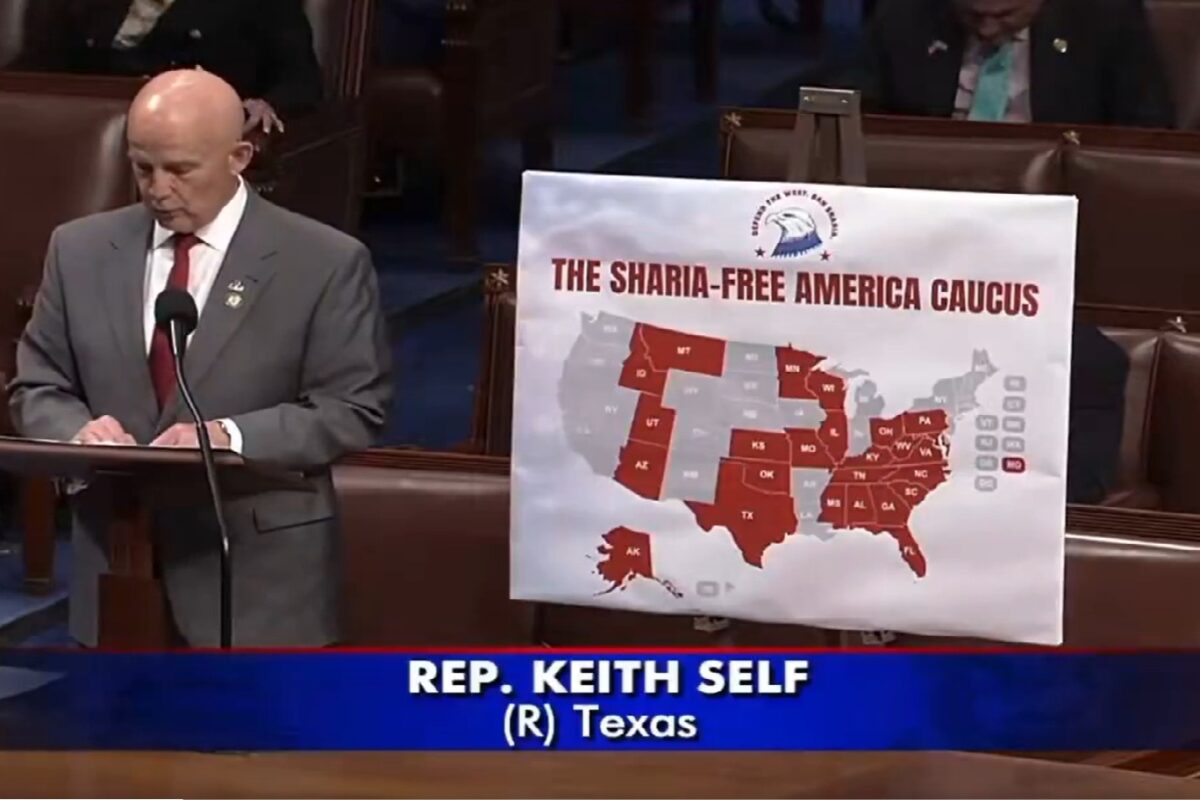
The bill has drawn several original cosponsors, including Representatives Brian Babin, Brandon Gill, Paul Gosar, Wesley Hunt, Tom McClintock, Keith Self, and Andy Ogles.
Gill said the legislation restores a basic principle to the visa system. “I am proud to cosponsor Rep. Eli Crane’s efforts to reform and tighten our H-1B visa system, ensuring that our immigration system serves American workers first before foreigners,” he said.
Gosar was more pointed in his criticism of how the program currently operates. “The H-1B program has been hijacked to replace American workers with cheaper foreign labor—plain and simple,” he said. “This bill slams the brakes on a system that’s rigged against our own people and puts American jobs first again.”
Ogles framed the issue in similarly direct terms. “American workers are being replaced, and cheap foreign labor is the cause,” he said. “We will not bow down to the corporations, and we will not let Americans become strangers in their own country. End the H-1B scam.”
Rosemary Jenks, cofounder of the Immigration Accountability Project, called the measure the most comprehensive H-1B reform bill to reach Congress. “This is the strongest H-1B bill that has ever been introduced in Congress,” she said, noting that the legislation combines a multi-year pause with permanent structural changes to the program.
D’Esposito said the investigation will continue to expand as new evidence surfaces. “We are going to exhaust every lead to make sure that we leave no stone unturned,” he said.
The bill is expected to face scrutiny from business groups reliant on the H-1B program as it moves through the legislative process in the coming months.