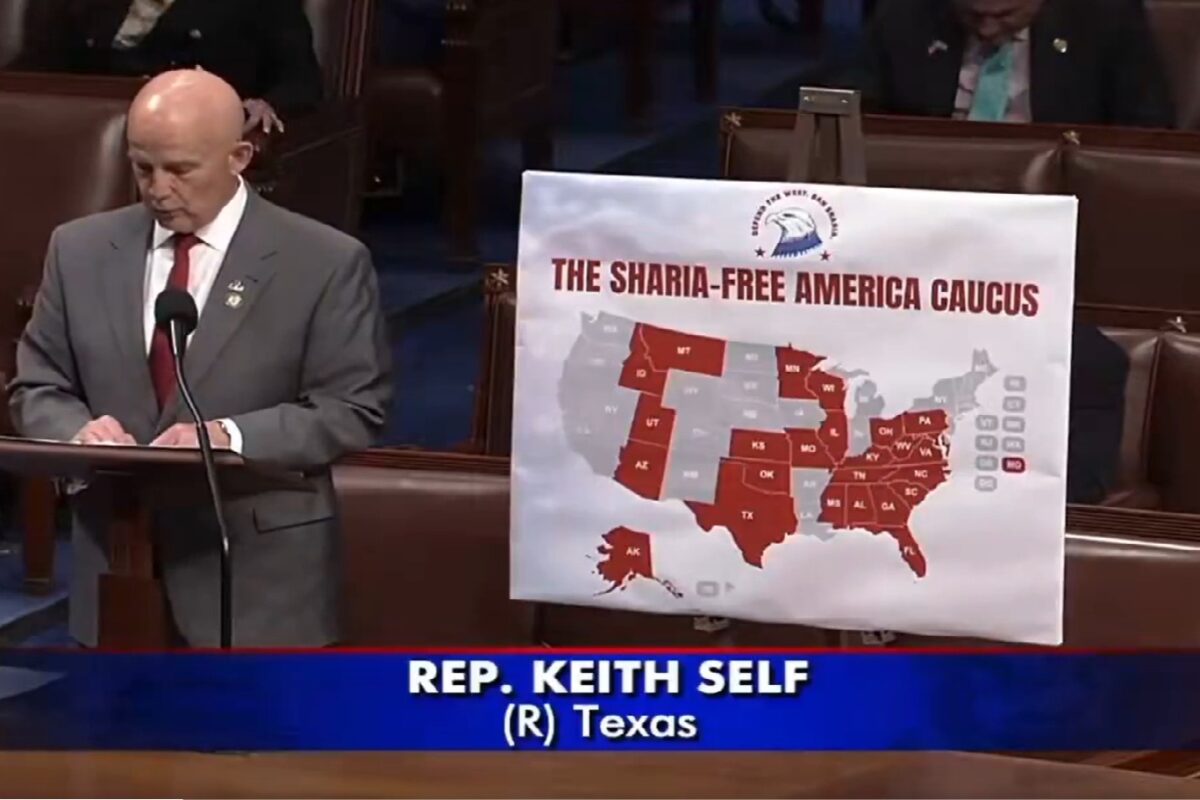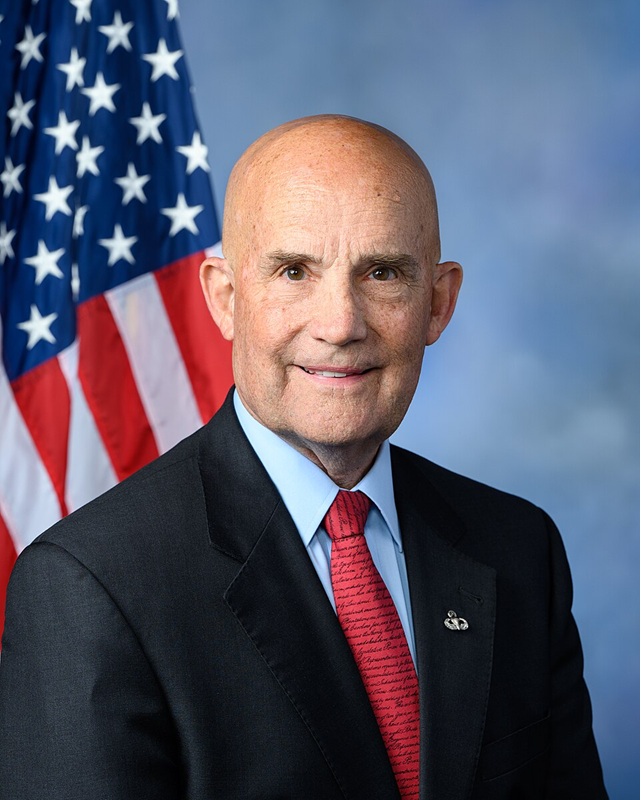
U.S. Representative Keith Self of Texas released a detailed outline of his long‑term budget goals. He said the document reflects months of internal work.
In a letter to House appropriations committee chairman Tom Cole of Oklahoma, Self laid out his plan to balance America’s books by freezing spending and “prioritize spending cuts identified in the Trump Administration’s budget request or identified as waste, fraud, and abuse, and contain conservative policy priorities.”
Self named the plan the “Blueprint for Fiscal Sanity.”
The House Freedom Caucus member argued America’s $39 trillion debt represented a fiscal crisis that required Congress to take immediate action.
In his letter to Chairman Cole, Self contended that “we cannot pretend this problem will solve itself.”
The blueprint outlines a path to balance federal spending within 10 years. Self said the numbers show that Congress can reach that target without raising taxes.
Self identified $500 million in cuts to the Environmental Protection Agency, as well as the funding for the National Endowment for Democracy and the World Health Organization, that Congress could zero out.
Self said the plan includes input from colleagues who want a long‑term strategy. He described the document as a starting point for negotiations.
The proposal includes a section on national security. Self said the country must maintain a strong defense while cutting waste inside the Pentagon.
He also addressed entitlement programs. Self said lawmakers must examine long‑term solvency without harming current beneficiaries.
The blueprint calls for a commission to study major trust funds. Self said the commission would give Congress a factual baseline for future decisions.
He argued that lawmakers cannot delay action. “Every year we wait, the problem grows larger,” Self said.
The document outlines changes to the budget process. Self wants Congress to vote on individual appropriations bills rather than rely on large omnibus spending bills.
Self maintained that Congress’s current budgeting process meant waiting until the last minute before a deadline forced members to accept government funding deals that never cut spending and hid true costs from taxpayers.
Self also proposed a requirement that Congress offset new spending. He said the rule would require lawmakers to decide which spending is truly necessary and to make choices about what to cut.
Self based his budget blueprint on current revenue estimates, which Self contended proved Congress could achieve a balanced budget without raising taxes or cutting core Trump administration priorities.
The purpose of the blueprint, Self told Cole, was to spur Congress to debate spending and reach consensus on how to tackle America’s debt crisis.
Self asserted that the only way to instigate a debate on spending was for him to put his vision on the table, which would then force other members of Congress to forge a compromise on spending cuts if they wanted to defend programs and agency funding they supported.