Section 702 of the FISA Act is set to expire on April 30.
House and Senate leadership is trying to pass an 18 month “clean” extension of Section.
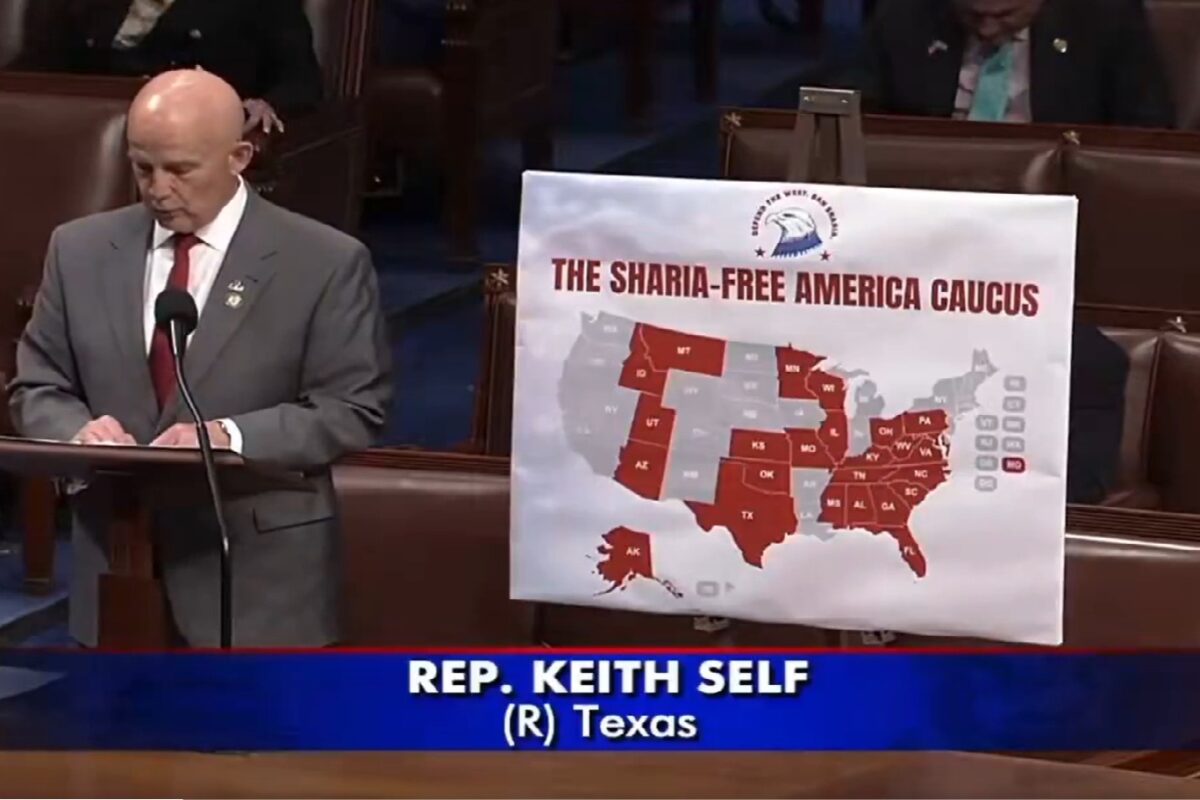
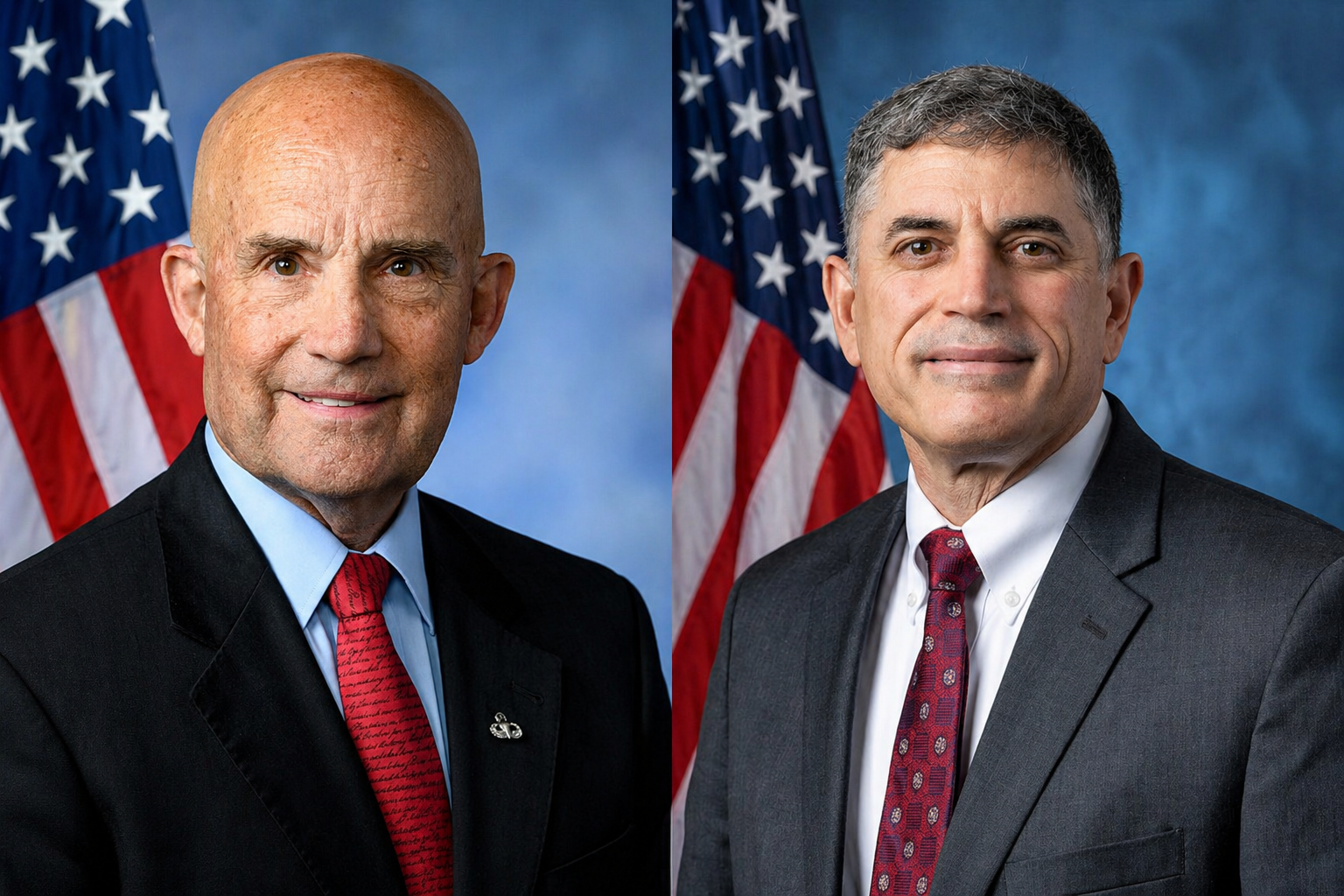
In an op-ed published at The Blaze, House Freedom Caucus members Reps. Keith Self and Andrew Clyde argued that a “clean” extension of 702 would permit unconstitutional warrantless surveillance of Americans.
Section 702 permits the government to surveil foreign terror suspects without a warrant.
Self and Clyde wrote that “part is unobjectionable” as foreigners living abroad don’t possess Fourth Amendment rights against unreasonable search and seizure.
The issue, Clyde and Self, argued came when the government used Section 702 authority to then monitor the phone calls, emails and text messages of American citizens those foreign suspects communicated with and not obtaining a warrant or showing probably cause.
“When those foreign targets communicate with Americans, those American messages get swept into the database too — hundreds of millions of them. And then the FBI can search through those communications using your name or email address — with no warrant, no judge, and no probable cause” the pair wrote.
Self and Clyde maintained this opened the door to government abuse and pointed out that the FBI conducted nearly 300,000 warrantless searches of Americans communications between 2018 and 2024.
“This is the “backdoor search.” This is not a hypothetical concern. In a single reporting period, the government conducted 278,000 searches that violated the rules. From 2018 to 2024, federal law required a warrant before the FBI could conduct backdoor searches in certain criminal cases. The bureau ran dozens of qualifying searches during that window. It obtained the required court order zero times,” Self and Clyde stated.
Another abuse noted by Clyde and Self was an NSA employee monitoring the communications of individuals he met through online dating sites.
Congress passed FISA reforms in 2024, but Self and Clyde wrote that the “FBI’s response was to quietly use a separate querying tool that bypassed those requirements.”
Clyde and Self asserted that legislation currently sitting in Congress – Protect Liberty and End Warrantless Surveillance Act introduced by Congressman Andy Biggs and the the Government Surveillance Reform Act proposed by Congressman Warren Davidson and Utah Senator Mike Lee – would address this issue in one fell swoop.
That’s because both bills, Clyde and Self declared, contain the requirement that the government obtain a warrant before it can access the electronic communications of American citizens.