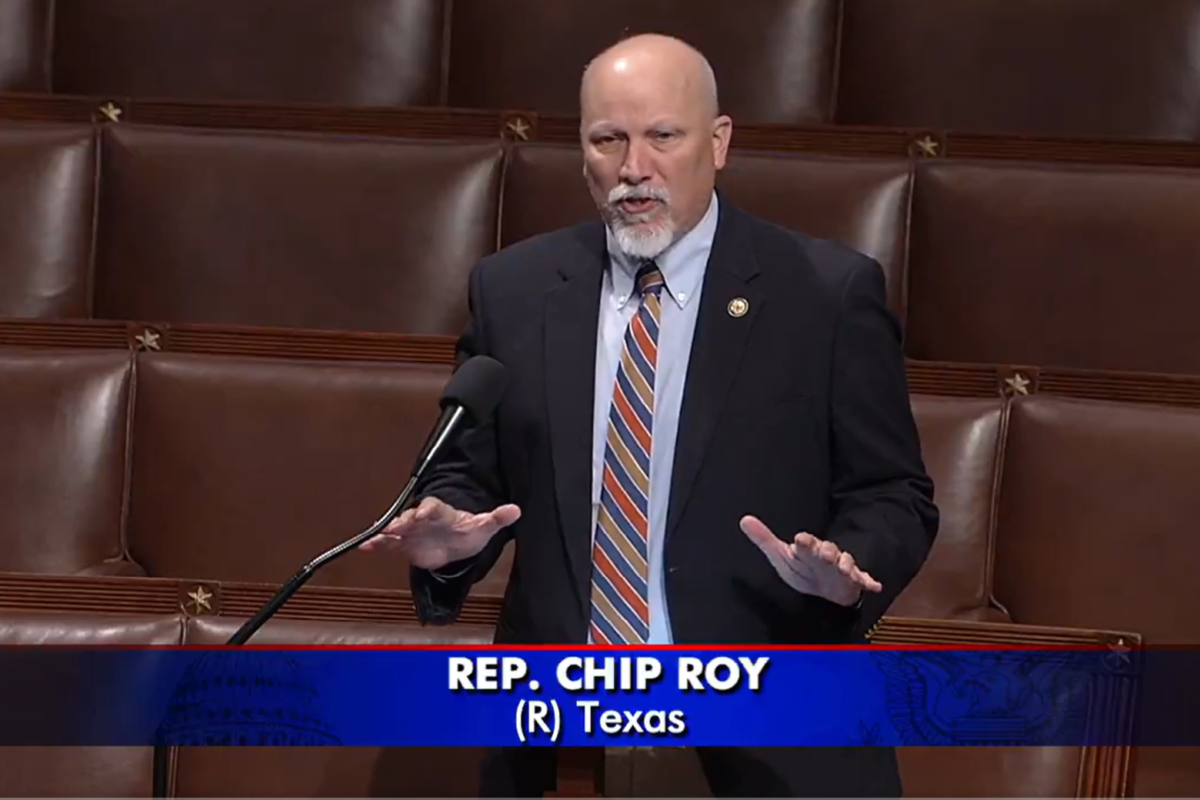
U.S. Representative Chip Roy of Texas warned that America’s $39 trillion national debt poses a growing threat to the country’s long‑term stability.
Roy also called for Congress to pursue deeper spending reductions. Roy made the comments in an interview as new federal data showed the debt rising above 100 percent of gross domestic product.
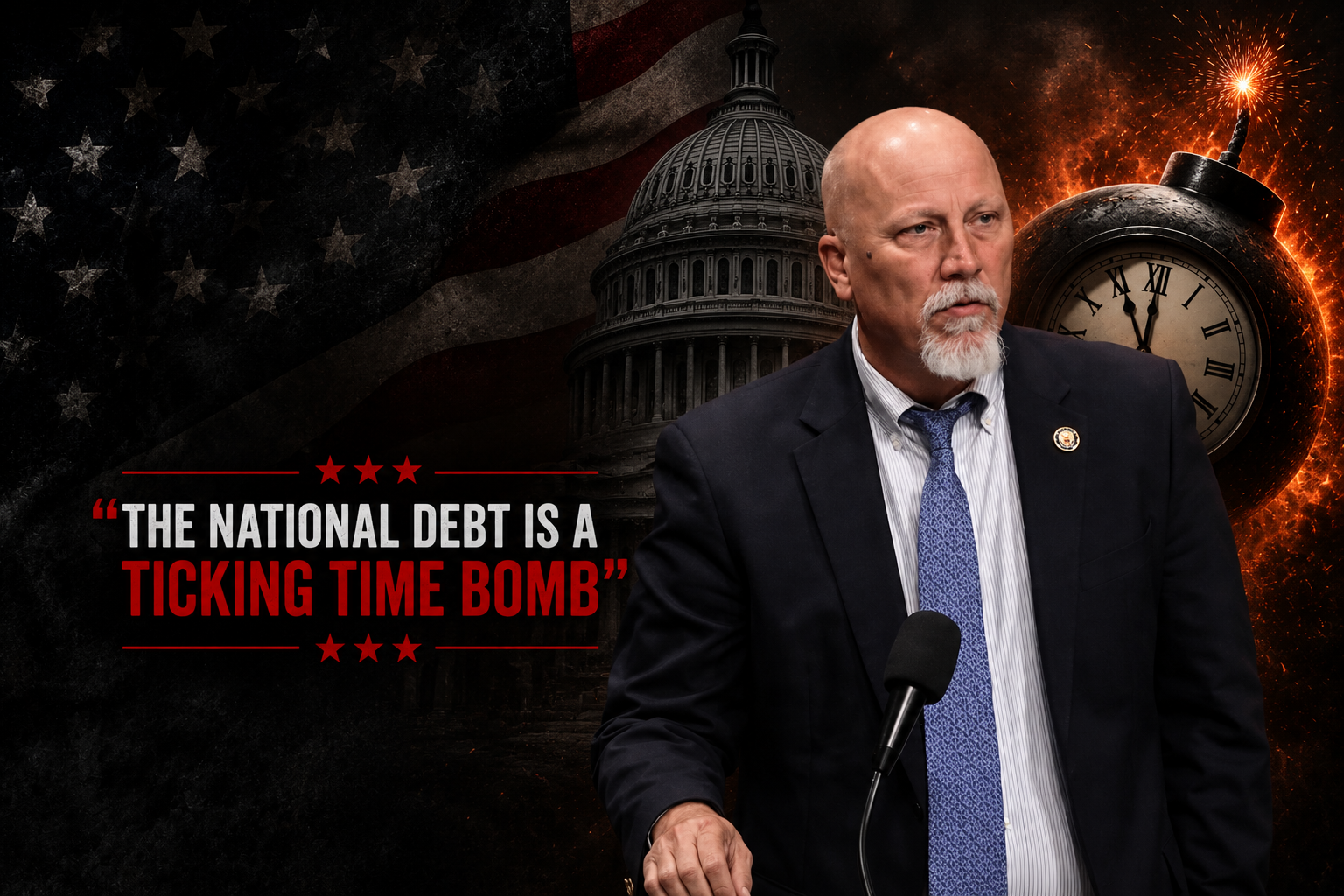
Roy said the debt is “a ticking time bomb and that some of us have been talking about for a long time.” He said lawmakers have taken steps in recent years to slow the growth of federal spending. “Now, thankfully, we’ve taken some strides over the last couple of years to do something about it,” he said.
Roy pointed to earlier efforts to reduce mandatory spending and limit discretionary spending increases. “[With] the Big Beautiful Bill, we had some pretty significant cuts to some mandatory spending. And over the last three years, we’ve held discretionary funding spending basically flat,” he said.
He said those actions represent progress in Washington but argued they fall short of what the public expects. He described the recent spending restraint as a “win in Washington, but for the American people generally, we need to do much more.”
Roy said he has pushed for additional reductions and broader structural changes. He said he supports “returning power to the states and the people.”
Roy also said the federal government continues to operate without sufficient oversight. “Unfortunately, you know, the government is sort of on autopilot at times,” he said. He warned that continued growth in the national debt could have serious consequences. If the trend continues, he said, “we’re going to destroy our country.”
Federal data released this week showed the national debt reaching 100.2 percent of GDP at the end of the first quarter. The debt surpassed $39 trillion in March, five months after crossing the $38 trillion mark.
The Congressional Budget Office has projected that debt held by the public could rise to 108 percent of GDP by 2030 if current policies remain unchanged.
Roy said he wants Congress to take stronger action in the months ahead. He said lawmakers must address the long‑term trajectory of federal spending and the size of the national debt.