A new set of privacy amendments to the Commerce, Justice, and Science appropriations bill is gaining strong support from members of the House Freedom Caucus, who say the measures would close a major gap in federal surveillance law. The provisions would prohibit government agencies from purchasing Americans’ digital information from commercial data brokers without a warrant, a practice critics have labeled the “data broker loophole.”
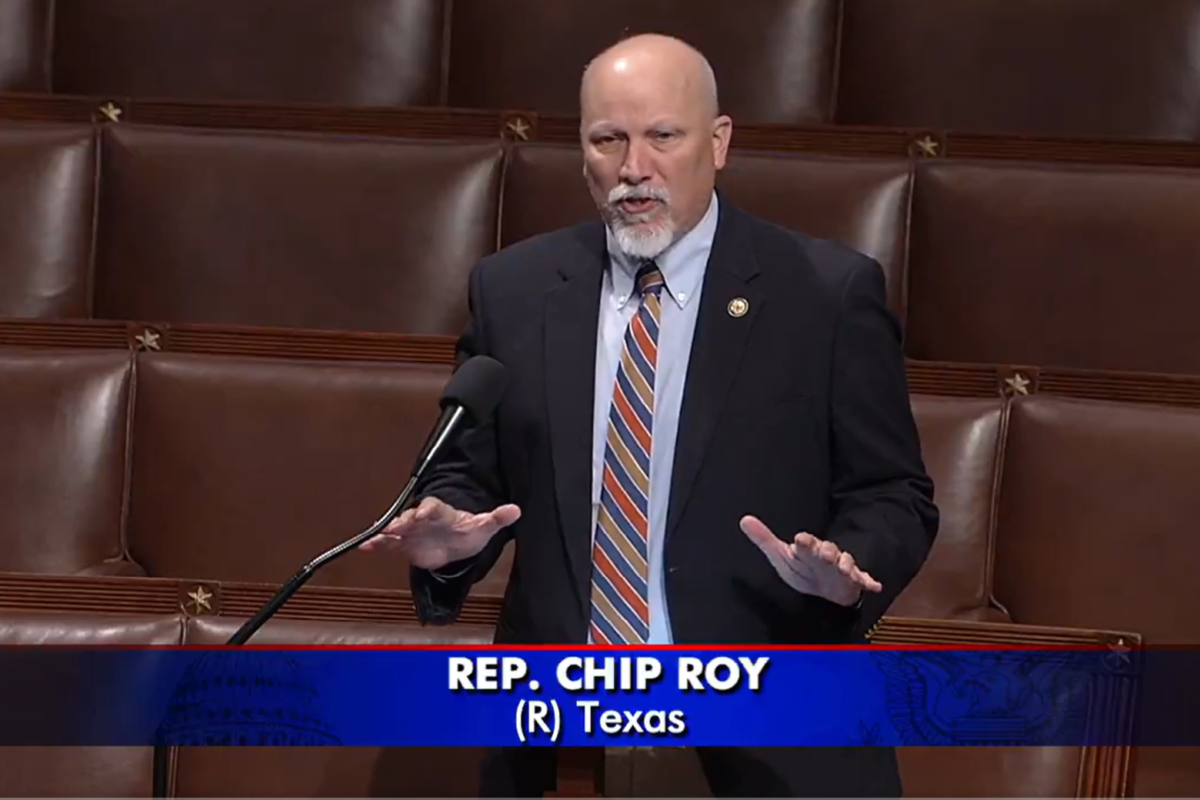
The push fits into a broader effort by Freedom Caucus members to restrict warrantless surveillance across multiple federal authorities. Lawmakers in the group have spent the past year pressing for a judicial warrant requirement in any renewal of Section 702 of the Foreign Intelligence Surveillance Act, arguing that incidental collection of Americans’ communications violates constitutional protections.
House Freedom Caucus members have also opposed federal regulations requiring new vehicles to include impaired‑driving detection systems capable of shutting off a car, warning that such technology could be used for remote monitoring or control without judicial oversight.
Supporters of the new amendments say federal agencies have used commercial vendors to obtain location data, browsing histories, and other sensitive information that would otherwise require judicial approval if collected directly from individuals or service providers. They argue that the government should not be able to buy its way around the Fourth Amendment.
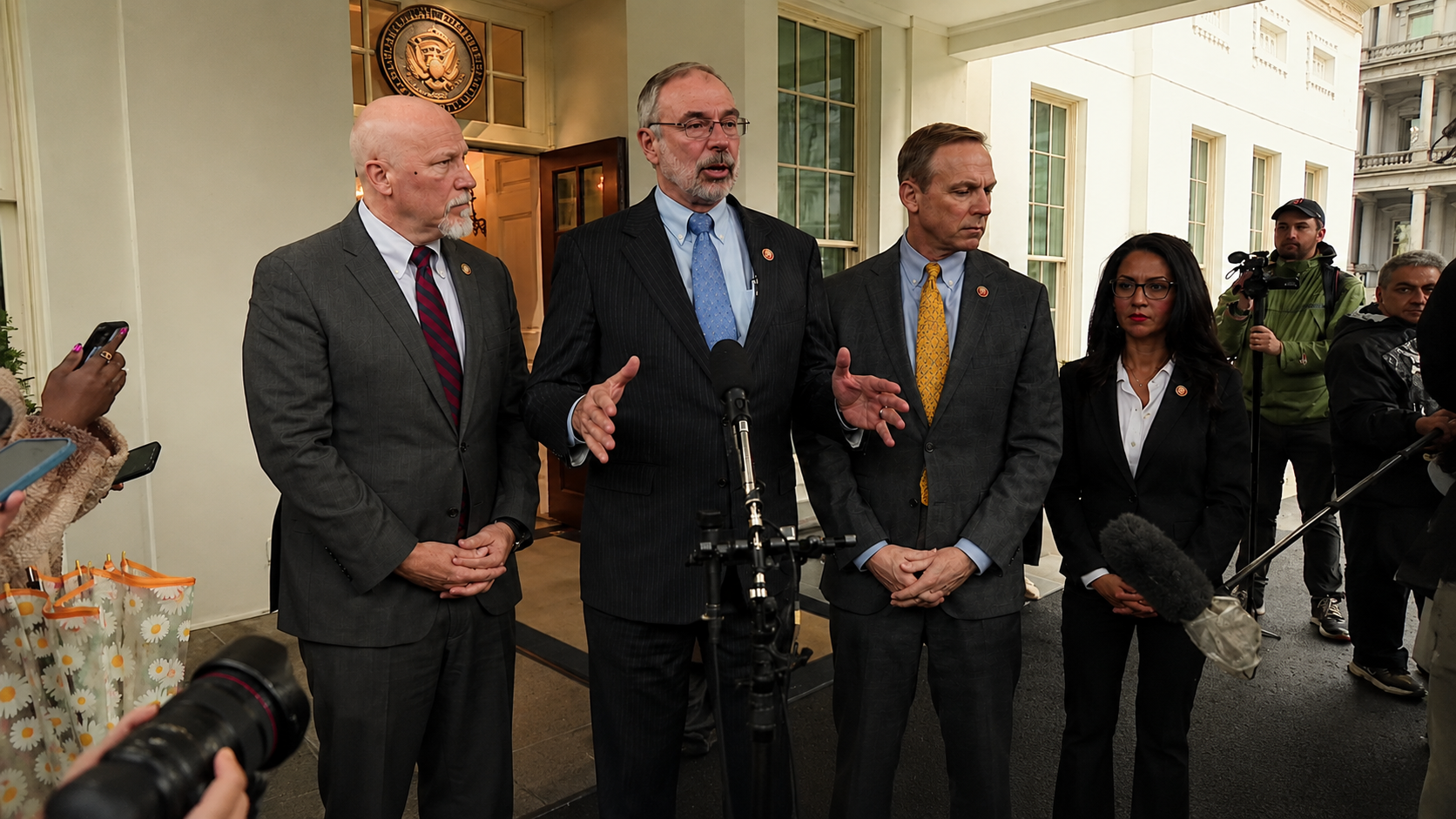
Georgia Representative Andrew Clyde, who serves on the Appropriations Committee, said the amendments reflect a needed correction to federal surveillance practices. In a statement, he wrote, “Americans’ Fourth Amendment rights are not a suggestion — and they are certainly not for sale. Congress must use every opportunity possible, including the annual appropriations process, to prohibit the government from purchasing the American people’s data without a warrant. I proudly supported an amendment to add this constitutional protection to the FY27 CJS appropriations bill, and I remain committed to defending Americans’ Fourth Amendment freedoms as this legislation moves forward.”
The amendments would bar agencies funded under the Commerce, Justice, and Science bill from using appropriated dollars to purchase Americans’ data without a warrant.
Proposed amendments would also require agencies to disclose any past or ongoing contracts with data brokers, giving lawmakers a clearer picture of how widespread the practice has become.
Freedom Caucus members have framed the issue as a matter of legal consistency. They argue that if the government cannot compel a company to hand over certain information without a warrant, it should not be able to buy the same data from a third‑party vendor. Opponents of similar proposals in previous years have warned that restricting access to commercial datasets could hinder certain types of investigations, though the current amendments have drawn broader support.
The House is preparing for additional floor consideration of the appropriations bill, and lawmakers expect further amendments related to digital privacy, surveillance authorities, and data‑collection practices to be offered during the next stage of debate.