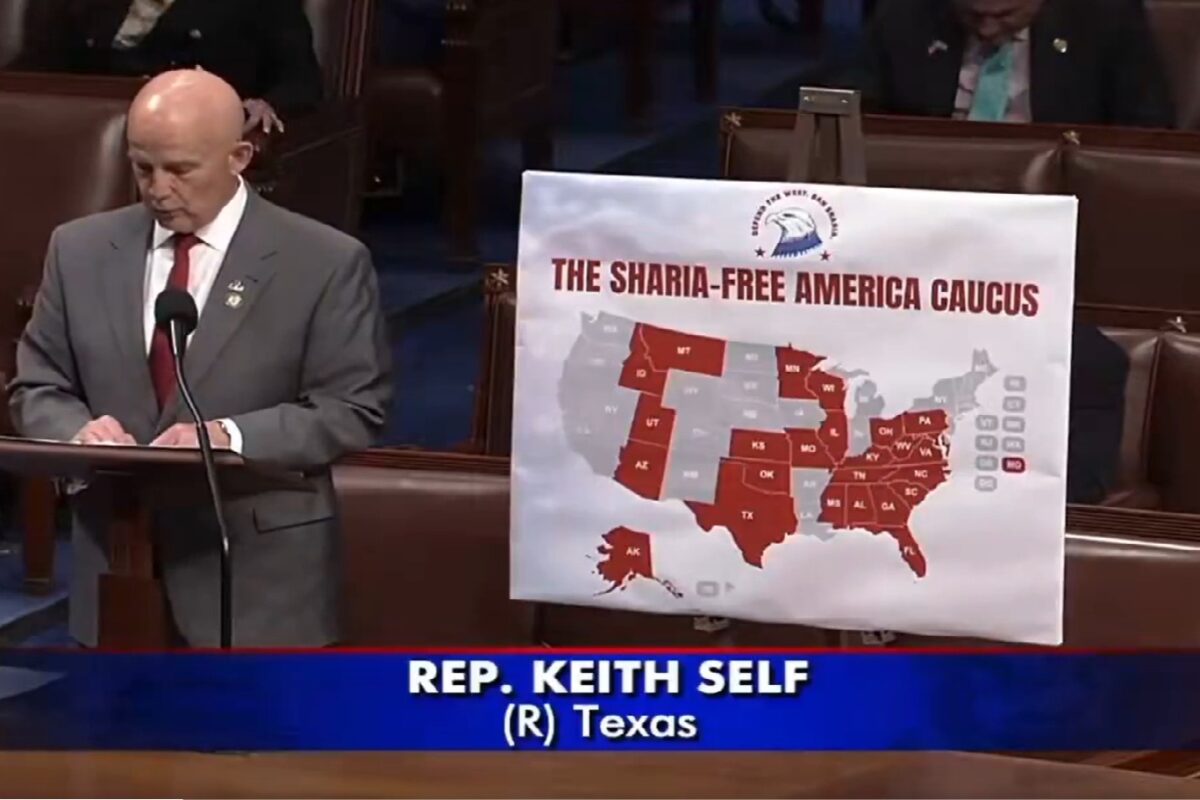
Texas Representative Keith Self is renewing his push to block the federal government from creating a Central Bank Digital Currency, arguing that a CBDC would give federal agencies unprecedented authority over Americans’ financial activity. His comments come as lawmakers continue to debate whether the United States should pursue a government‑issued digital currency similar to those being tested in other countries.
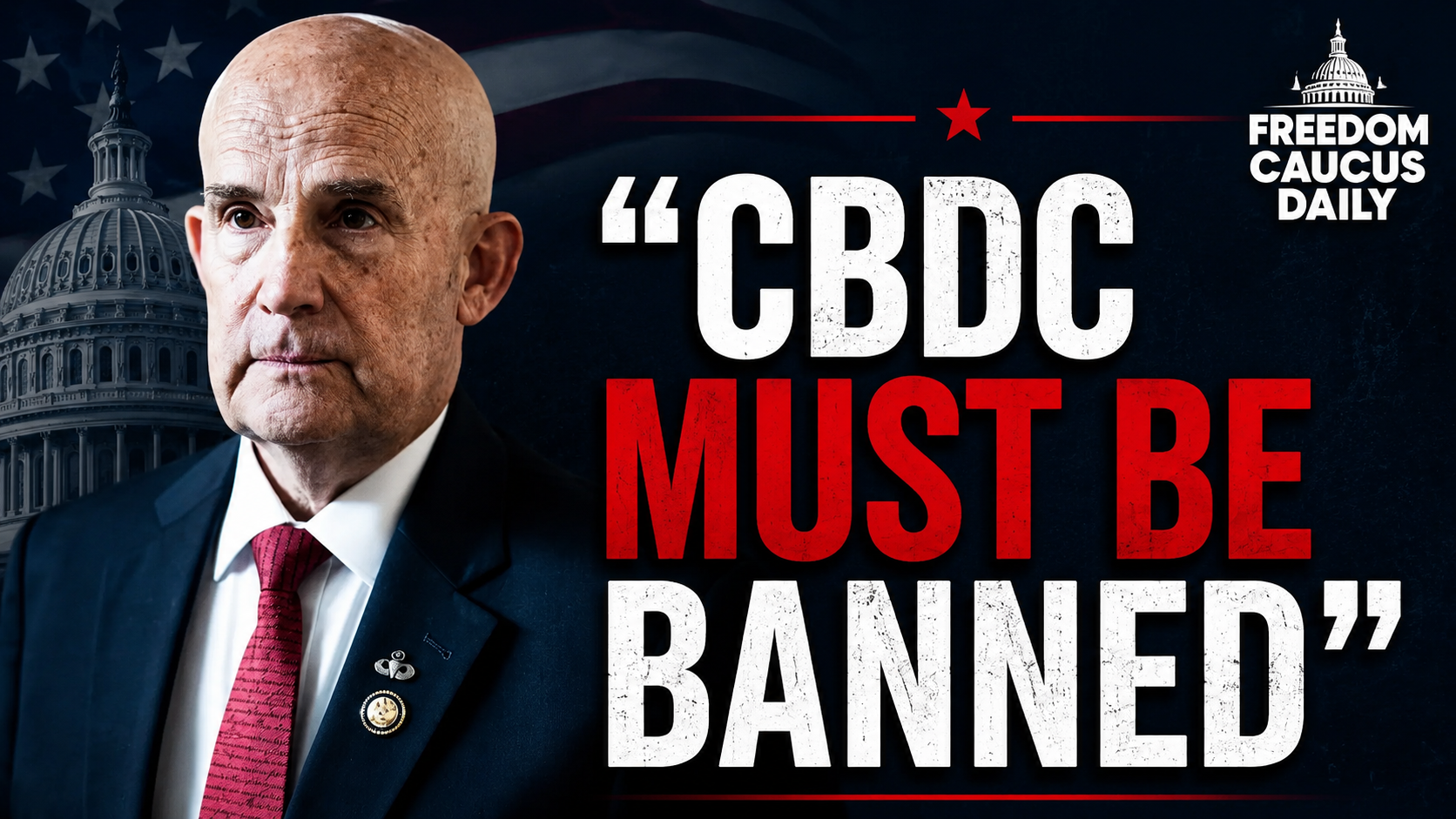
Self said a CBDC would fundamentally alter the relationship between citizens and the federal government by allowing real‑time monitoring of personal spending. He wrote, “A Central Bank Digital Currency (CBDC) would give the government total surveillance and control over every single transaction in your life. They could see what you buy, freeze your money at will, and program exactly what you’re ‘allowed’ to spend it on. This isn’t money. It’s financial tyranny. CBDC must be banned—forever.”
The Texas lawmaker has argued that a government‑issued digital currency could be used to target political opponents or restrict access to constitutionally protected purchases. Self and other opponents of a CBDC point to concerns raised by privacy advocates who warn that programmable digital money could allow federal agencies to block transactions involving firearms, fuel, or products deemed harmful to the climate. Self has said such capabilities would give the government “a direct lever of control over lawful behavior.”
Supporters of a CBDC have argued that a digital dollar could modernize payment systems, improve transaction speed, and provide an alternative to private cryptocurrencies. Critics, including Self, counter that the risks to privacy outweigh any potential benefits. They say existing digital‑payment systems already provide efficient transactions without granting the federal government centralized authority over individual accounts.
Self has aligned himself with lawmakers who want Congress to enact a permanent prohibition on a CBDC. He has supported legislation that would bar the Treasury Department and Federal Reserve from developing or testing a digital currency without explicit authorization from Congress. Critics of the CBDC like Self maintain the goal of banning a digital currency is to prevent executive agencies from advancing a CBDC through pilot programs or regulatory guidance.
Privacy advocates who share Self’s concerns have warned that a CBDC could allow the government to freeze accounts, impose spending limits, or restrict access to funds during emergencies. They argue that such powers could be misused for political or regulatory purposes, particularly if the digital currency were designed with programmable features that allow transactions to be approved or denied based on government‑defined criteria.
Opponents of similar bans in the past have said the United States risks falling behind other nations exploring digital‑currency frameworks. Supporters of a prohibition counter that innovation should not come at the expense of financial autonomy and that decentralized digital‑payment systems already offer alternatives without granting the government direct control over personal transactions.
A scheduled review of federal digital‑currency authorities is expected later this year, providing the first comprehensive assessment of how existing law would shape any future CBDC proposal.