Conservatives are intensifying their push for significant privacy protections as Congress enters the latest round of negotiations over reauthorizing Section 702 of the Foreign Intelligence Surveillance Act. The surveillance authority, designed to target foreign adversaries, has drawn sustained criticism from lawmakers who argue that Americans’ private communications are routinely swept into federal databases without a warrant.
Section 702 is set to expire on June 12, leaving Congress only weeks to reach an agreement or pursue another short‑term extension. A source familiar with the discussions said many conservatives are again offering amendments that mirror proposals introduced during the April reauthorization fight, this time seeking to attach them to a long‑term extension.
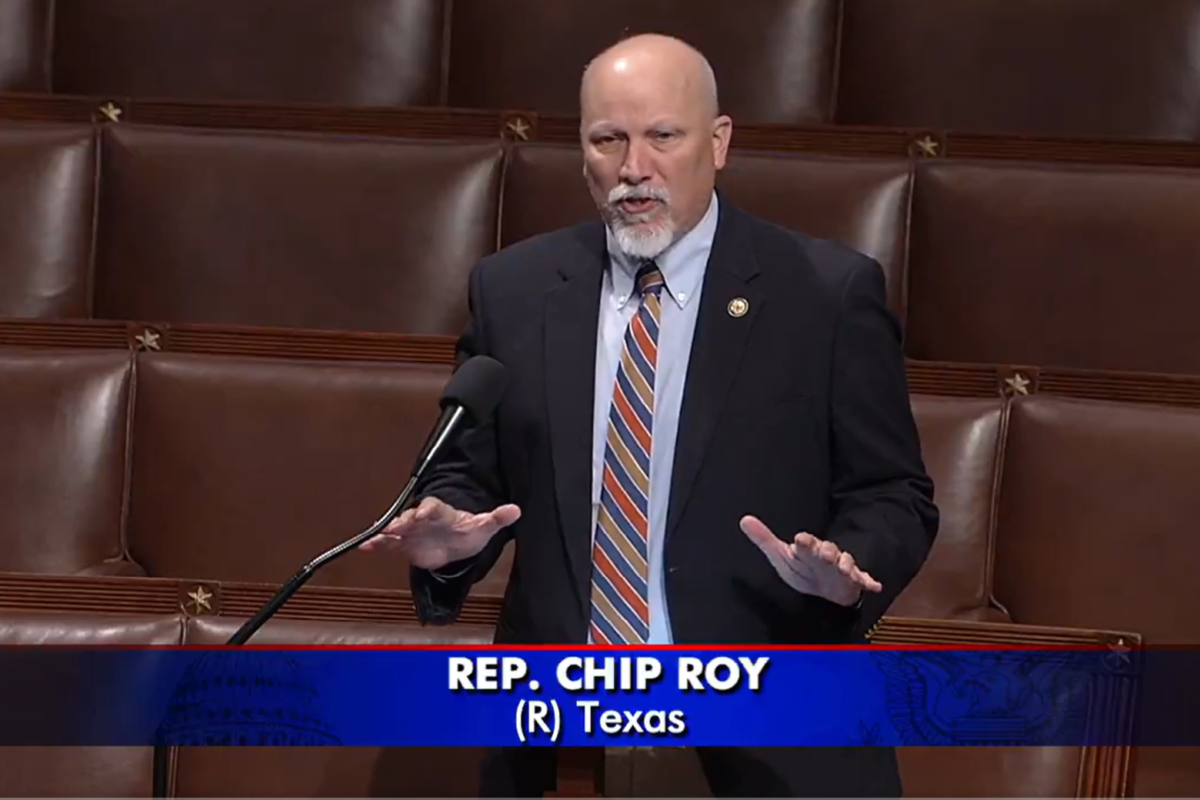
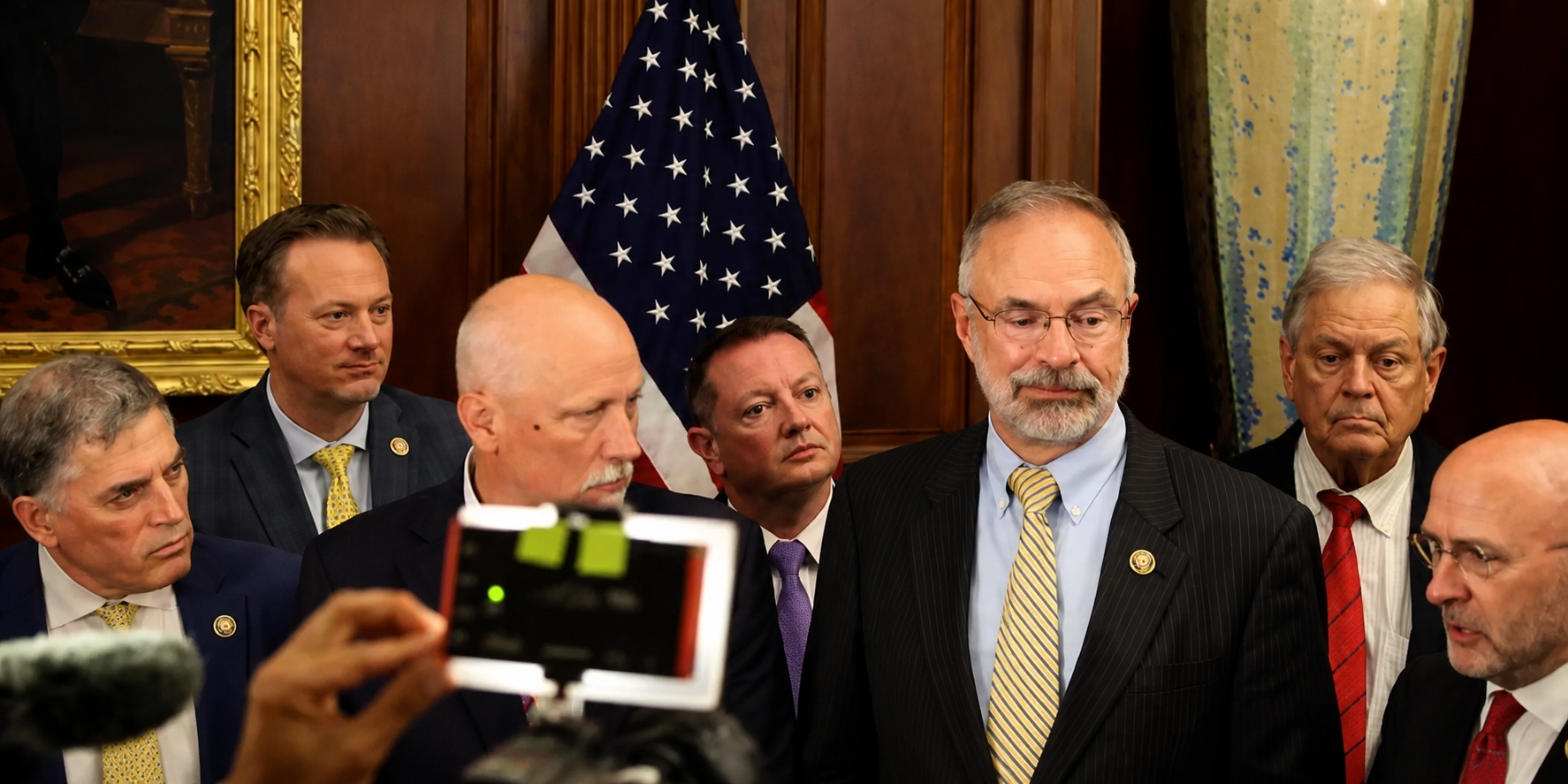
Arizona Representative Andy Biggs has reintroduced an amendment requiring a warrant before federal agencies may conduct so‑called “backdoor searches” of Americans’ communications. His proposal includes exceptions for probable cause and exigent circumstances involving terrorism, cybersecurity threats, or imminent foreign‑intelligence risks—scenarios that current and prior administrations have cited as justification for maintaining Section 702.
Another point of contention involves the definition of “electronic communication service provider,” which was broadened in the Reforming Intelligence and Securing America Act. Privacy advocates have described the updated language as a “trojan horse” that could allow the government to compel assistance from a wide range of entities with access to communications infrastructure. Marc Zwillinger, a FISA Court amicus, warned in 2024 that the definition was so expansive that Congress had to explicitly exclude senior centers, hotels, and coffee shops to prevent them from falling under surveillance obligations.
North Carolina Representative Mark Harris has offered an amendment to repeal the expanded definition, arguing that Congress has not yet addressed the concerns raised by civil‑liberties experts. A Senate fix included in the 2024 Intelligence Authorization Act was removed during conference negotiations, leaving the issue unresolved.
Biggs has also revived an amendment aimed at strengthening the role of amici curiae in the FISA Court. His proposal mirrors the bipartisan Lee‑Leahy amendment that passed the Senate in 2020 and is intended to ensure the court receives perspectives beyond those of the government in cases involving Americans’ privacy.
Civil‑liberties analysts have raised concerns about how Section 702 may affect other constitutional rights. Patrick Eddington of the Cato Institute has written that lawful gun purchasers may unknowingly have their transactions swept into surveillance databases because communications between U.S. importers and foreign suppliers are subject to incidental collection.
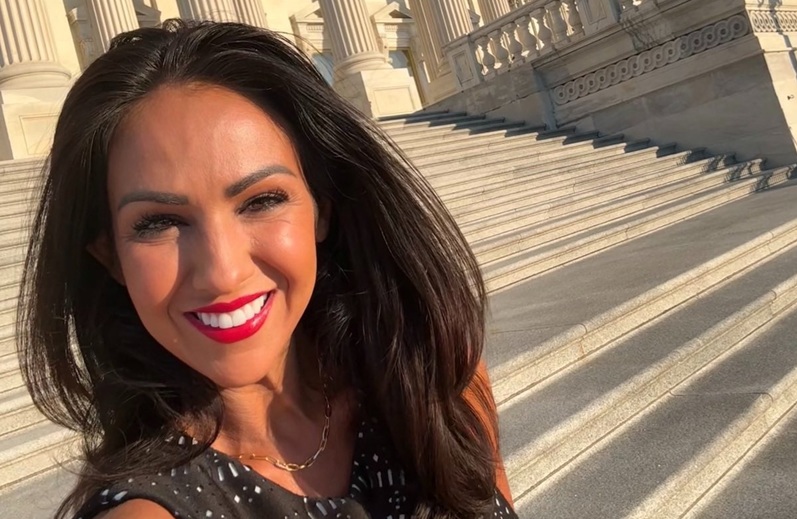
Freedom Caucus members Lauren Boebert and Eric Burlison have argued that the government’s ability to buy Americans’ data rivals a “formal registry” and have called for both a warrant requirement and closure of the data‑broker loophole. They noted that a warrant amendment failed by a single vote in 2024 and said the courts could easily handle the volume of queries the government reports conducting each year.
A March survey conducted by Data for Progress found that 37 percent of voters—and a plurality of Republican respondents—believe FISA should only be renewed if restrictions are placed on law‑enforcement purchases of personal data from brokers.
A scheduled inspector‑general review of federal querying practices is expected to provide new findings later this year, offering lawmakers additional context as negotiations continue.