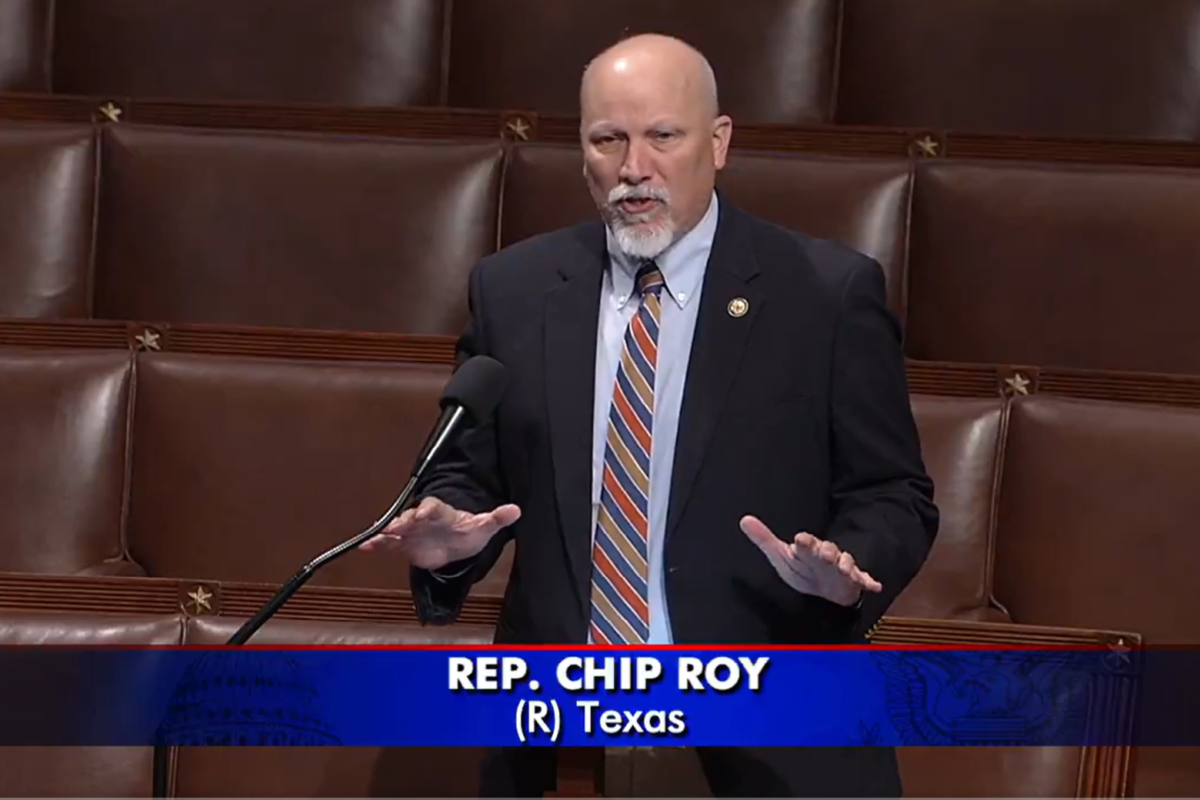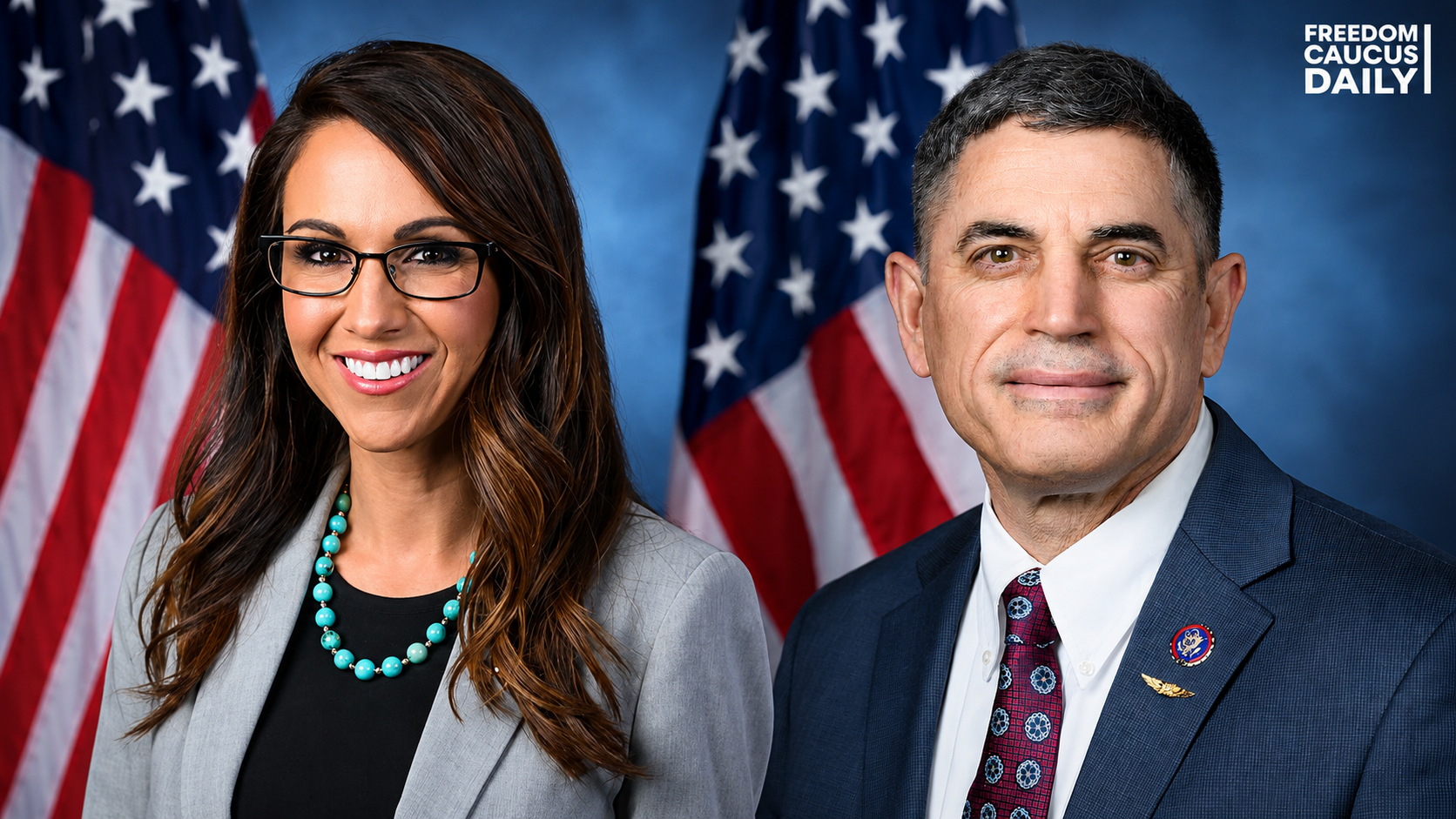
Representatives Andrew Clyde and Lauren Boebert are intensifying their effort to require federal intelligence agencies to obtain a warrant before searching Americans’ communications under Section 702 of the Foreign Intelligence Surveillance Act. With the authority set to expire on June 12, the lawmakers say Congress must impose real limits rather than extend the statute unchanged.
The pair opened their argument with a critique of how past reauthorization cycles have unfolded. “When there’s a real chance of protecting Americans’ privacy, the deep state always runs the same playbook. Slow walk votes on reforms. Allow the clock to run out. Highlight a potential national security scare. And reiterate the status quo while calling it reform.”
They emphasized that their request is straightforward: a vote on a warrant requirement that they say enjoys broad public support. According to their statement, “Our demand is not complicated. It is merely for a fair vote on something that a uniquely bipartisan coalition and 76% of Americans want, and that came within a single vote of passing just two years ago.”
Section 702 allows the government to collect foreign‑targeted communications, but Clyde and Boebert argue that the real issue lies in how agencies use the database. They described the current practice as one in which “the government warrantlessly vacuums up hundreds of millions of international communications every year,” followed by searches that target Americans. In their words, “This backdoor search inverts the ‘foreign’ part of FISA.”
Representative Andy Biggs’ Protect Liberty and End Warrantless Surveillance Act is the reform model they point to most often. The bill would extend Section 702 while requiring independent judicial review before agencies may query Americans’ identifiers. As the lawmakers put it, “It would simply establish independent judicial review before the government can initiate searches using your name, email address, or phone number, like the Fourth Amendment requires.”
Their criticism of the current reauthorization bill is blunt. One passage in their statement reads, “The language doesn’t require independent review whatsoever. Simply put, it will stop exactly zero of the long-documented abuses of FISA generally or Section 702 specifically.”
They cite examples disclosed by the FISA Court to illustrate those abuses: “a U.S. senator, journalists and political commentators, 6,800 Social Security numbers, 19,000 donors to a congressional campaign and an FBI employee’s family member, who the employee’s mother suspected of having an extramarital affair.” Another line notes that “The FBI even used Section 702—the ‘foreign intelligence’ surveillance tool—against Jan. 6 defendants.”
Their concerns extend beyond communications surveillance. Clyde and Boebert warn that federal agencies are purchasing Americans’ personal data from commercial brokers, including geolocation records and financial information. “The Firearm Owners Protection Act of 1986 prohibits a federal gun registry. The government is building one anyway—they’re just buying it in pieces from data brokers instead of collecting it directly.”
Artificial‑intelligence tools used to generate legal justifications for surveillance queries represent another emerging risk, they argue, one Congress has not yet addressed.
The lawmakers have made their position clear: “The standard for any bill that deserves a yes vote is straightforward: a warrant before the FBI searches any American’s communications, and a ban on purchasing what would otherwise require one. No votes on warrant requirements? Then no FISA.”
With the deadline approaching, congressional leaders face competing proposals and a narrowing window to determine the future of Section 702.