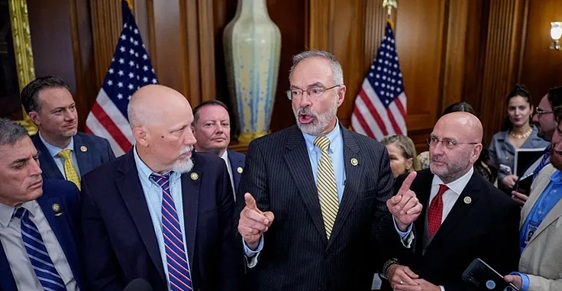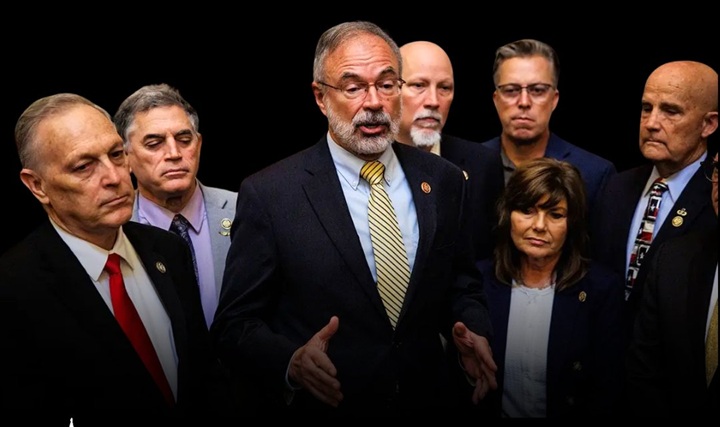
Members of the House Freedom Caucus said Monday that the Supreme Court’s decision to let stand lower‑court rulings in the Carter Page surveillance case is further proof that Congress must add a warrant requirement to the Foreign Intelligence Surveillance Act when Americans’ communications are involved. The justices declined to revive Page’s lawsuit, effectively ending his effort to hold former FBI officials personally liable for surveillance errors identified years ago by federal watchdogs.
Page, a former foreign‑policy adviser to Donald Trump’s 2016 campaign, was monitored under FISA warrants in 2016 and 2017 as part of the FBI’s Crossfire Hurricane investigation. He was never charged with a crime and has long denied allegations that he acted as a Russian agent. A Justice Department inspector general later found significant errors and omissions in the FBI’s surveillance applications, prompting the bureau to implement dozens of corrective measures.
For Freedom Caucus members, the Supreme Court’s refusal to take the case reinforces their argument that internal reforms are not enough.
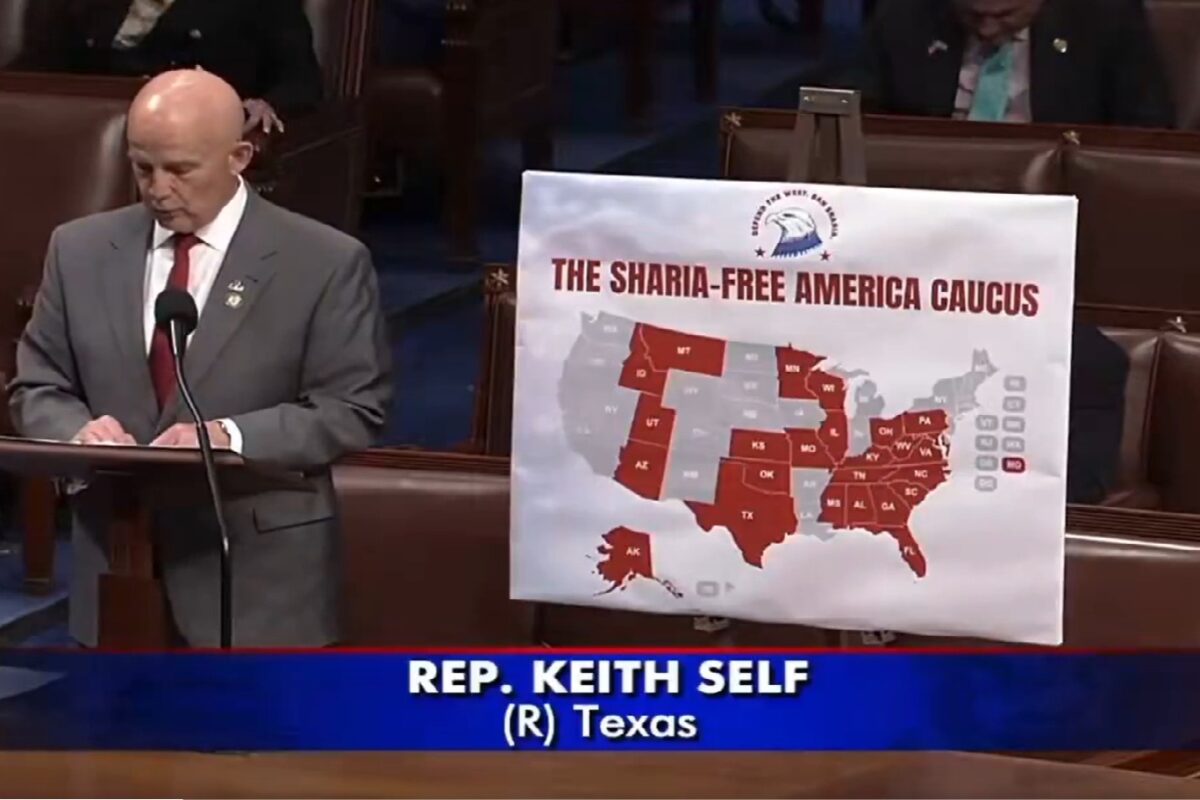
Texas Congressman Keith Self told podcaster Todd Starnes that “FISA is not an excuse to conduct warrantless surveillance of American citizens. The Constitution is not optional. The Fourth Amendment is not a suggestion. We the People will not be spied on.”
Florida Senator Rick Scott said the ruling highlights the need for structural changes. “This is EXACTLY why we need to fix FISA,” he wrote on social media. “I don’t know a single person that’s actually been held accountable for breaches like these. Congress needs to ensure this never happens to law-abiding Americans EVER again. Get a warrant.”
The caucus has long argued that Section 702 — the authority that allows the government to collect communications of foreign nationals overseas without a warrant — has been repeatedly misused to access Americans’ data. While the Page case involved a different section of the law, members say the underlying problem is the same: insufficient guardrails and a lack of accountability.
The inspector general’s report on the Page warrants found that FBI officials failed to disclose exculpatory information, relied on inaccurate claims, and omitted key details from their applications to the Foreign Intelligence Surveillance Court. Several officials later said they would not have approved the warrants had they known the full extent of the errors.
Page sued former FBI Director James Comey and other officials, alleging constitutional violations. Lower courts dismissed the case, finding that Page had not sued the individuals directly responsible for carrying out the surveillance. He reached a $1.25 million settlement with the federal government but sought to continue pursuing claims against former officials — a path now foreclosed by the Supreme Court’s decision.
Freedom Caucus members say the outcome illustrates why Congress must impose a clear warrant requirement before any American’s communications can be accessed, regardless of the surveillance authority used. They argue that without statutory protections, internal reforms can be reversed and abuses can recur.