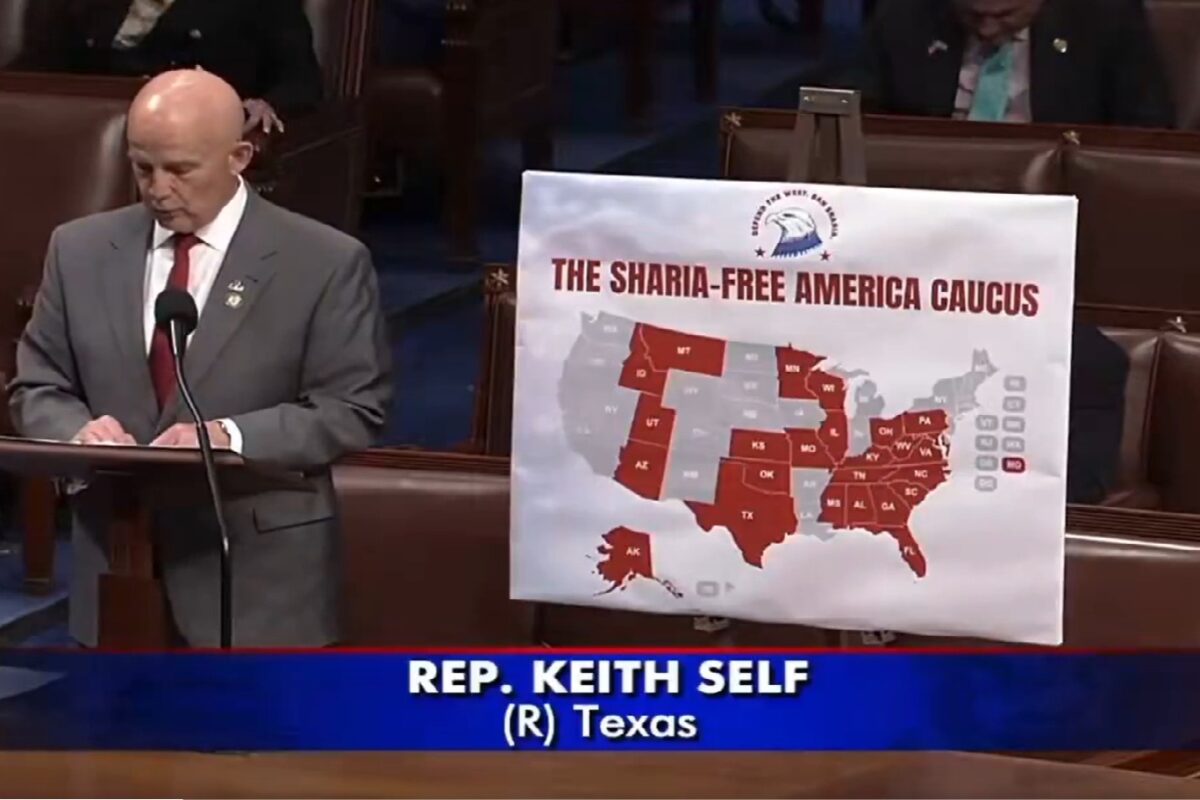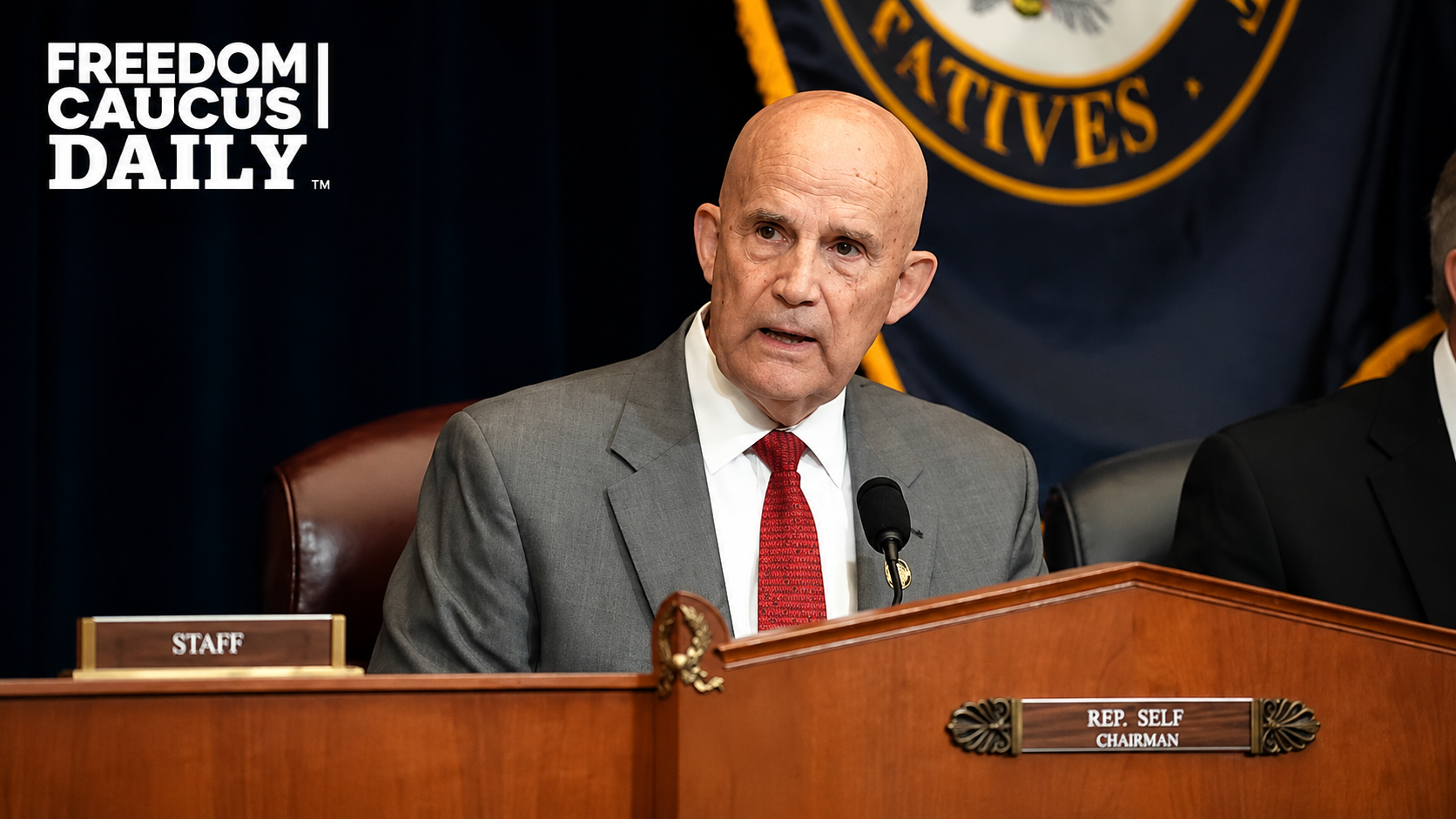
Texas Representative Keith Self introduced legislation Wednesday that would require federal law enforcement agencies to obtain a warrant before accessing surveillance data collected by state and local systems, including automated license plate readers made by companies such as Flock Safety.
The bill is called the Protecting Rights in Video and Equipment Acquired Discovery Act — the PRIVACY Act. It comes as several state and local governments have canceled or suspended their Flock contracts, and as a growing number of Americans have destroyed cameras in what has become a viral trend.
Self framed the bill as a straightforward defense of constitutional rights. “Americans’ Fourth Amendment right to be secure in their privacy does not disappear just because of new technology or artificial intelligence,” he said. He added, “Americans have a constitutional right to be secure in their persons, houses, papers, and effects, and our government is supposed to get a warrant before invading that privacy. This bill simply restores that protection. Get a warrant.”
A Flock spokesperson said the company supports guardrails on license-plate-reader use but noted that courts have largely sided with warrantless use of the technology in public spaces. “More than 40 courts across the country have considered LPRs in the context of the Fourth Amendment and ruled overwhelmingly that the use of these tools in public spaces does not require a warrant,” the spokesperson said, adding that the company “welcome[s] these conversations in Congress.”
The bill would require warrants before federal agencies could obtain or search data from state and local surveillance systems. It would cap data retention at 30 days unless the material is tied to a prosecution or a court grants an extension. It would also block federal funds from being used to purchase or install the systems.
Arizona Representative Eli Crane, an original cosponsor, said the legislation closes a loophole he believes agencies have exploited. “State and local systems now collect vast amounts of data, and federal agencies use that information to bypass warrant requirements and core privacy protections,” he said. “This legislation closes these loopholes, limits retention of unrelated data, and restores the constitutional protections owed to every American.”
Georgia Representative Andrew Clyde also signed on as a cosponsor. “The PRIVACY Act provides critical protections to combat the federal government’s dangerous web of warrantless surveillance and data collection, including by devices like Flock cameras,” he said.
Colorado Representative Lauren Boebert has previously criticized the camera systems on similar grounds, saying, “They violate our Fourth Amendment rights to privacy and unreasonable search and seizure, and they are an absolute impediment of our constitutional rights.”
The American Civil Liberties Union estimates that between 80,000 and 100,000 Flock cameras are installed nationwide, and that fewer than one percent of scanned vehicles are linked to any crime. Flock says its systems are set by default to block federal data sharing unless a local customer explicitly grants access.
The bill now heads to committee, where its future will hinge on whether lawmakers can reconcile the competing claims about public safety and constitutional privacy protections.