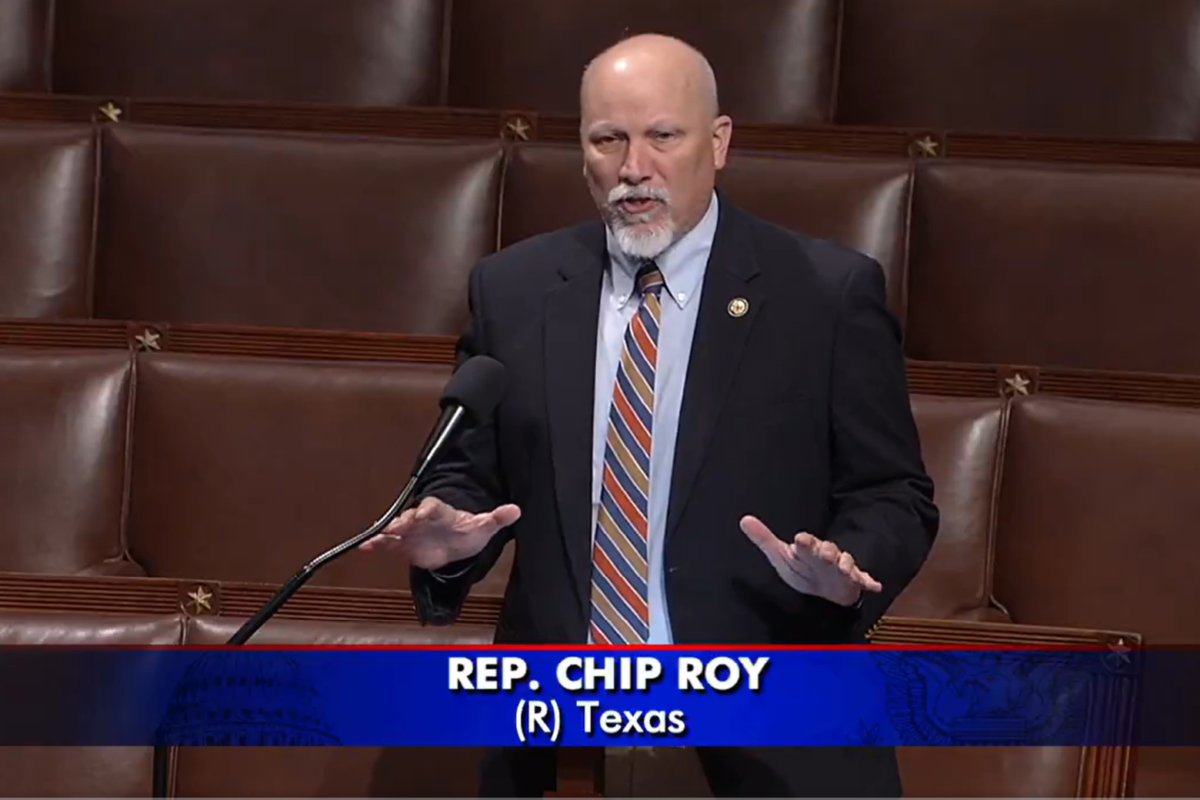
Maryland Representative Andy Harris is sharply criticizing New York City Mayor Zohran Mamdani’s plan to open city-backed grocery stores, arguing that government ownership of retail food outlets has no place in the United States.
“Government-run grocery stores belong in communist China—not the United States,” Harris said.
The comment came as Mamdani’s administration faces mounting scrutiny over its proposal to sell groceries at prices 30% below traditional retailers. City Hall says the discounts would be achieved by eliminating overhead costs such as rent and property taxes, while contracting with private operators to handle day-to-day store operations. Economists and commentators have raised doubts about whether such steep discounts are sustainable given that grocery retailers typically operate on profit margins of only a few percentage points.
Under the plan, a core basket of everyday groceries — including fresh produce, meat, seafood, and roughly 20 categories of pantry staples, dairy, and refrigerated goods — would have prices locked on a monthly basis rather than fluctuating weekly. Mamdani’s office says the model will save the average New Yorker about $1,000 a year.
The city has allocated $70 million in capital funding to open five municipal grocery stores, one in each borough. The first location is expected to open in the Hunts Point neighborhood of the Bronx by the end of 2027, with additional stores planned for East Harlem, Brooklyn, Queens, and Staten Island before the end of the mayor’s first term.
Harris was direct in his assessment of the broader economic model behind the proposal.
“Communism fails every time,” he said.
His remarks add to a chorus of criticism from economists who argue that the city’s pricing structure effectively shifts costs onto taxpayers rather than eliminating them. Some analysts have warned that pricing goods significantly below market rates could lead to shortages or resale schemes, while others have questioned whether the subsidies required to sustain the stores would need to continue indefinitely.
Mamdani’s office has said the proposal is designed to address years of rising grocery costs. Federal data show food-at-home prices climbed sharply after the COVID-19 pandemic, with many categories remaining well above 2019 levels.
Fox News Digital asked Mamdani’s office how it calculated the projected 30% discount and whether independent economists had reviewed its financial assumptions. The office did not immediately respond.
As the city moves toward opening its first location next year, the debate over the program’s long-term costs and sustainability is expected to intensify, with lawmakers like Harris continuing to frame the initiative as a test case for government intervention in retail markets