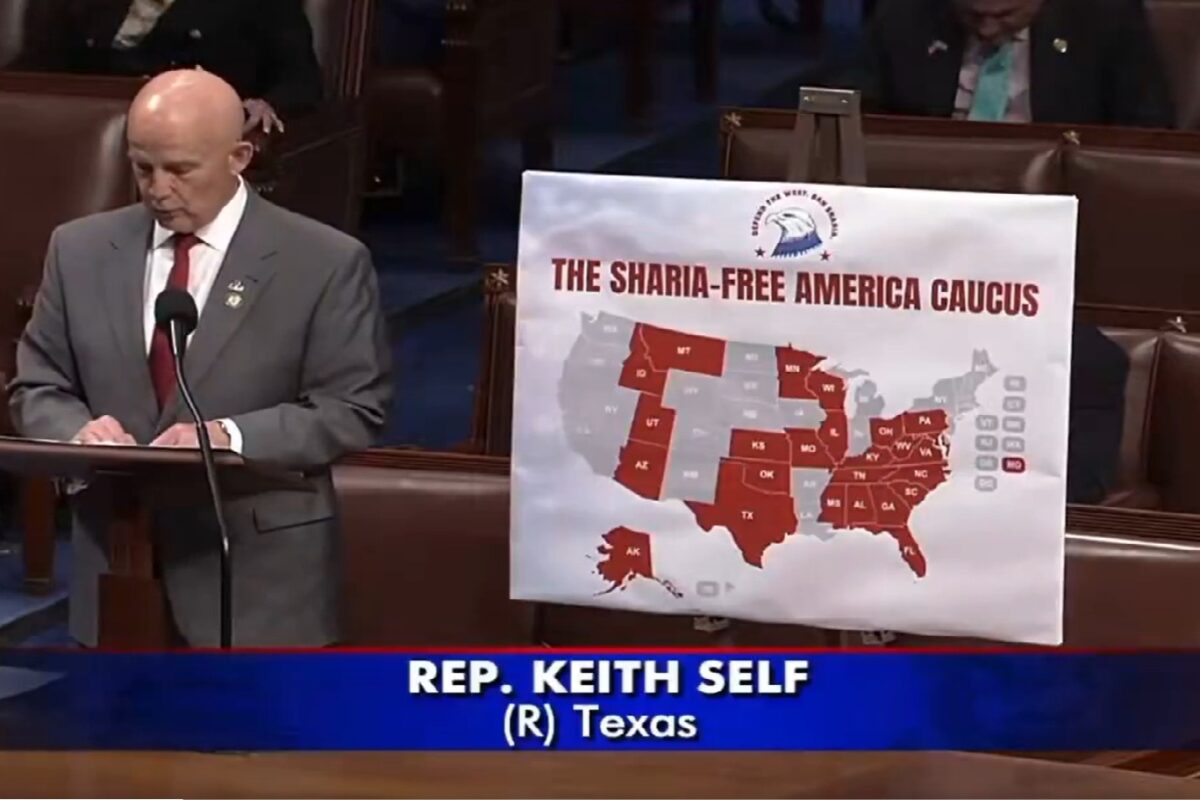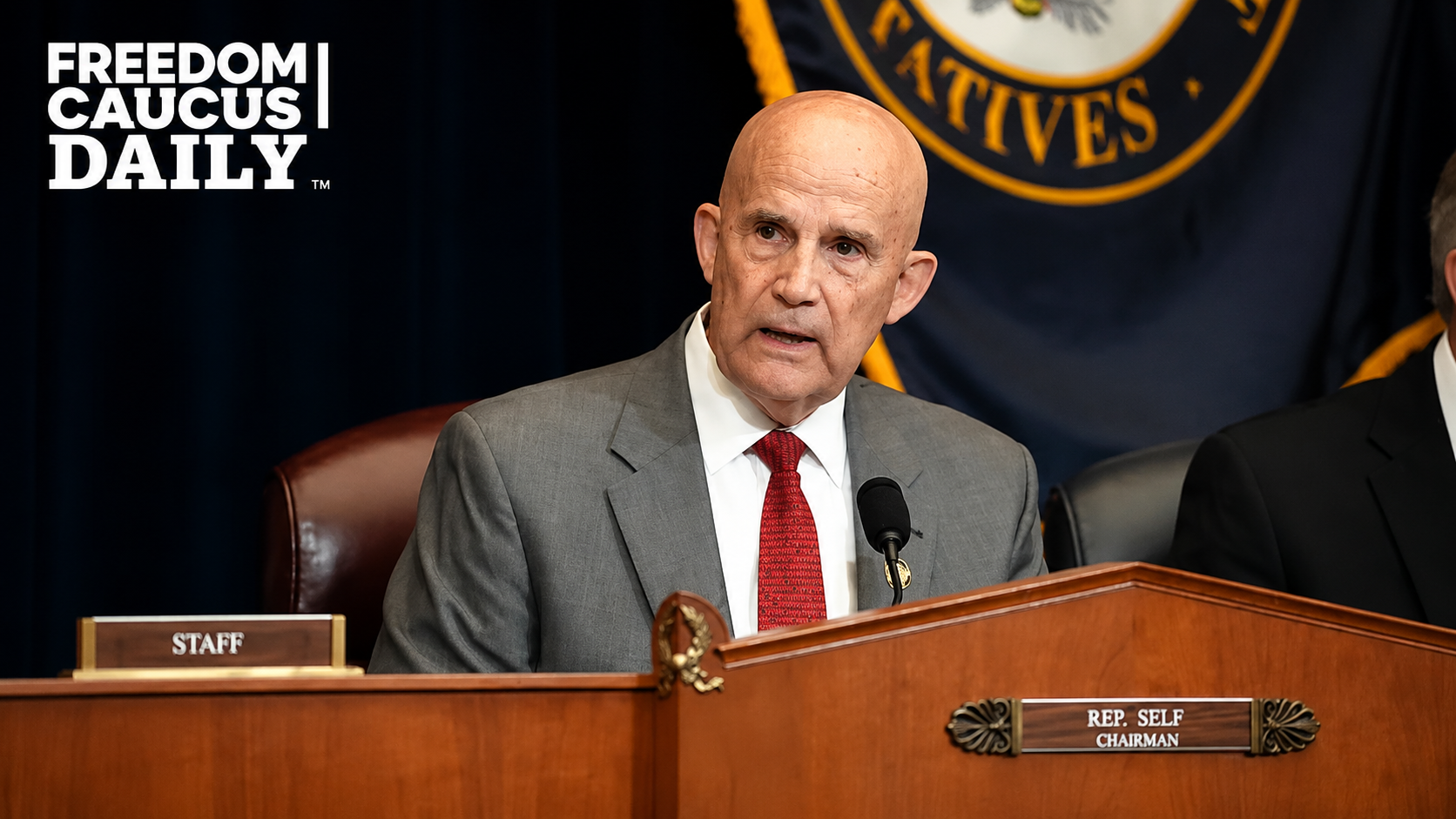
Texas Representative Keith Self promoted his legislation that would prohibit recipients of the Supplemental Nutrition Assistance Program from using benefits to buy sugary carbonated beverages, tying the measure to the Trump administration’s “Make America Healthy Again” initiative.
The bill is called the Funding is Zero for Zero Nutrition Options Act, or the FIZZ-NO Act.
Self described the legislation in blunt terms. “My FIZZ-NO Act is simple: No SNAP purchases of sugary sodas,” he said. “Taxpayers shouldn’t be forced to subsidize products that fuel the chronic disease epidemic. Put real food back on the table!”
He argued that the program has drifted from its original purpose. “SNAP was originally created to help the poorest Americans access nutritious food,” Self said. “Allowing taxpayer dollars to subsidize sugary sodas, which offer zero nutritional value and contribute to costly health conditions, is counterproductive. The FIZZ-NO Act is a common-sense solution to strengthen public health and reduce the financial burden on taxpayers.”
Sugary carbonated beverages are among the largest sources of added sugar in the American diet. According to the Centers for Disease Control and Prevention, roughly 40% of adults and 19% of children in the United States are considered obese. Researchers have linked sugary beverage consumption to higher rates of diabetes, heart disease, and other chronic conditions — costs that reach an estimated $190 billion annually across the health care system, much of it absorbed by Medicaid.
Self’s bill arrives as part of a broader push under the administration’s Make America Healthy Again banner, which has already reshaped SNAP policy at the state level. The Department of Agriculture has approved food-restriction waivers in 23 states, allowing them to bar certain purchases with SNAP benefits. The agency describes the effort as a “bold reform to strengthen integrity and restore nutritional value.”
Indiana and Utah began enforcing waivers on January 1, followed by Idaho and Oklahoma in mid-February, Louisiana later that month, Texas in April, Florida later in April, and Arkansas on July 1. South Carolina is set to join the list on August 31, when it begins barring SNAP purchases of candy, energy drinks, soft drinks, and other sweetened beverages.
Some states have gone further than soda and candy restrictions. Iowa’s waiver, the most expansive among those approved, restricts nearly all taxable food items as defined by the state’s Department of Revenue, with an exception for food-producing plants and seeds.
Not every waiver has survived legal challenge. A federal court ruling issued June 22 vacated USDA approvals for five states — Colorado, Iowa, Nebraska, Tennessee, and West Virginia — after SNAP recipients argued the agency lacked legal authority to approve the waivers and skipped required public-notice procedures. The U.S. District Court for the District of Columbia agreed, halting enforcement in Iowa, Nebraska, and West Virginia, where bans had been in effect since January 1, along with Tennessee’s planned July 31 start date and Colorado’s October 30 target.
The ruling applies only to the five states named in the lawsuit, but its reasoning could affect the remaining waivers if challenged in additional courts.
Self’s bill would apply the restriction nationally rather than through the state-by-state waiver process, a distinction that is likely to draw attention as Congress considers the measure alongside the ongoing litigation over USDA’s waiver authority.