Nine of the country’s largest banks closed accounts and turned down credit requests based on customers’ political, religious and social views, according to a review by the Office of the Comptroller of the Currency. The regulator also concluded that none of the banks had fully owned up to the practice.
The 47-page report, titled “Guaranteeing Fair Banking for All Americans,” drew on 100,000 complaints and 50,000 internal bank records. It names JPMorgan Chase, Bank of America, Citibank, Wells Fargo, U.S. Bank, Capital One, PNC, TD Bank and BMO Bank. According to the OCC, those banks cited “reputation risk” to deny service between 2020 and 2025.
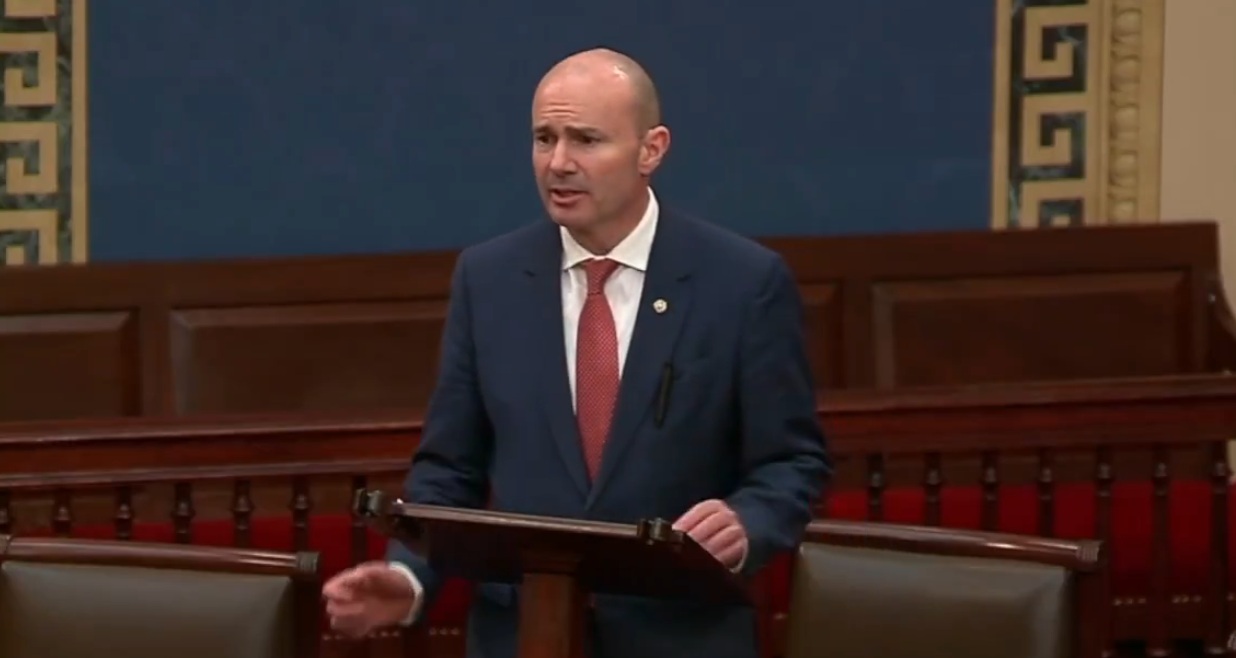
Utah Sen. Mike Lee reacted on X:
“Discriminating against conservatives wouldn’t work if these banks weren’t colluding
This is cartel behavior
That’s … very illegal”
The report lays out its findings case by case. WePay, a payment operation owned by JPMorgan Chase, shut down a merchant selling Trump and Make America Great Again merchandise, saying the business “promote[d] hate, violence, or racial intolerance.” The OCC found that WePay’s screening system routinely flagged “MAGA,” “Make America Great” and “America First” in merchant profiles and transaction data.
The report says banks relied on hate-group designations from the Southern Poverty Law Center when cutting off customers. WePay closed a religious organization’s account after the SPLC labeled it an “extremist hate group.”
PNC denied a line of credit to a media company because one owner’s foundation had funded Christian groups on the SPLC’s list. “I think it becomes really difficult to justify aligning ourselves with a company whose owners have built very public personas around opinions very contrary to PNC’s beliefs/values,” the PNC employee who recommended the refusal wrote.
Wells Fargo turned down loans to two firearms businesses. According to the OCC, Wells Fargo staff feared blowback from federal regulators and gun-control activists. Bank of America dropped private-prison clients, citing “changing policymaker attitudes.”
The review found that customers across the political spectrum lost services. Capital One refused business from both an abortion-rights organization and a gun-rights group.
All nine banks told the OCC they had revised their practices. Comptroller of the Currency Jonathan V. Gould said the agency is weighing further action. “Today’s report provides irrefutable evidence that the nation’s largest banks have denied, debanked and discriminated against customers and lawful businesses,” Gould said.
A JPMorgan Chase spokesman said the WePay process “did not meet our expectations” and that the unit no longer operates. “Our policies prohibit discrimination against customers based on political or religious views,” the spokesman said.
The review followed an executive order from President Donald Trump directing banking regulators to combat “politicized or unlawful debanking.”
The Consumer Financial Protection Bureau has opened its own investigation. “Many of those targeted were supporters of President Trump,” CFPB Acting Director Mark Paoletta said. The bureau, which holds primary enforcement authority over banks with more than $10 billion in assets, said its inquiry will extend beyond the nine banks named in the report to other institutions. Americans who believe they were improperly debanked can file complaints at helpwithmybank.gov.