The House Freedom Caucus will open the next Congress without several of the lawmakers who built its reputation. The members positioned to lead it say the group’s approach will not soften.
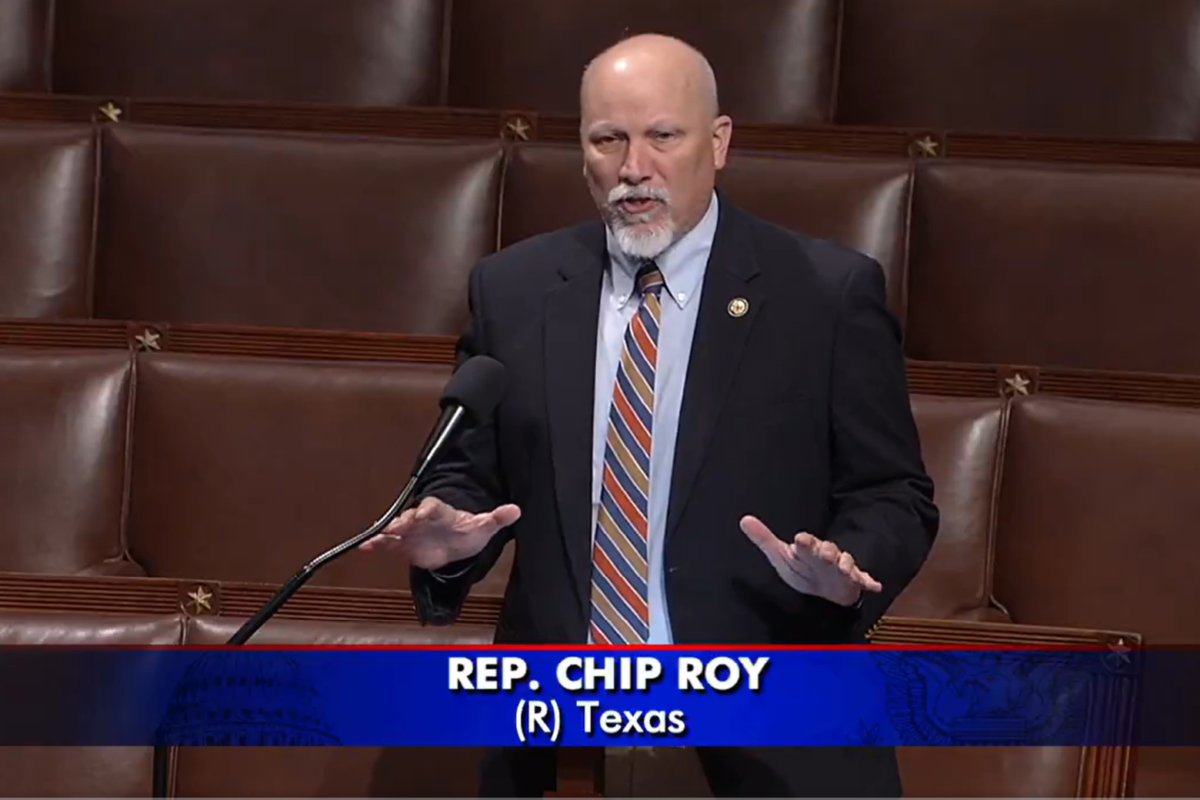
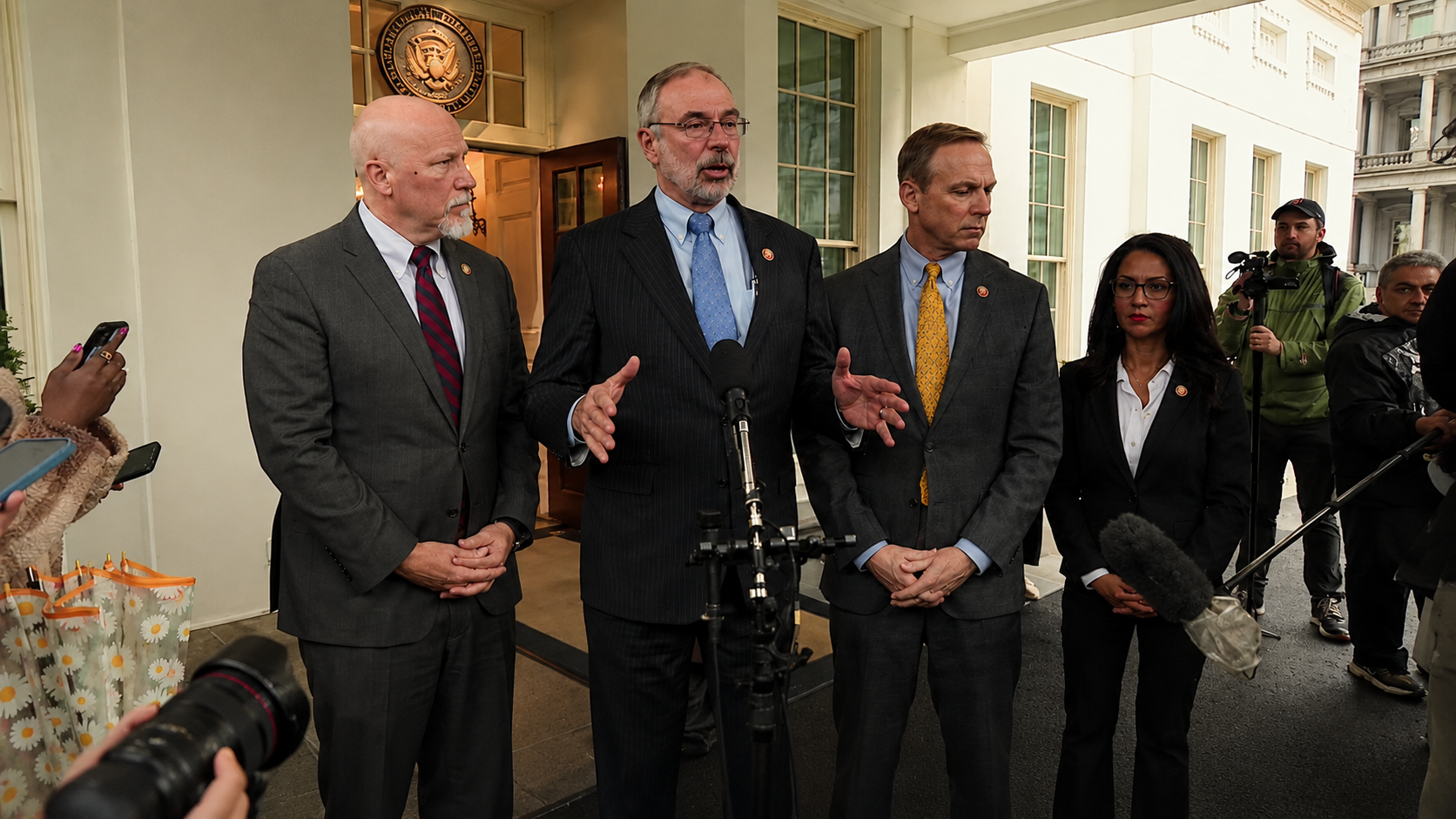
Arizona Rep. Andy Biggs, Florida Rep. Byron Donalds and Wisconsin Rep. Tom Tiffany are running for governor. Alabama Rep. Barry Moore is running for the Senate. South Carolina Rep. Ralph Norman and Texas Rep. Chip Roy lost primaries for other offices, and Tennessee Rep. Andy Ogles lost his House primary. Former caucus chair Rep. Scott Perry of Pennsylvania is defending his seat in a race that Inside Elections with Nathan L. Gonzales rates a Toss-up.
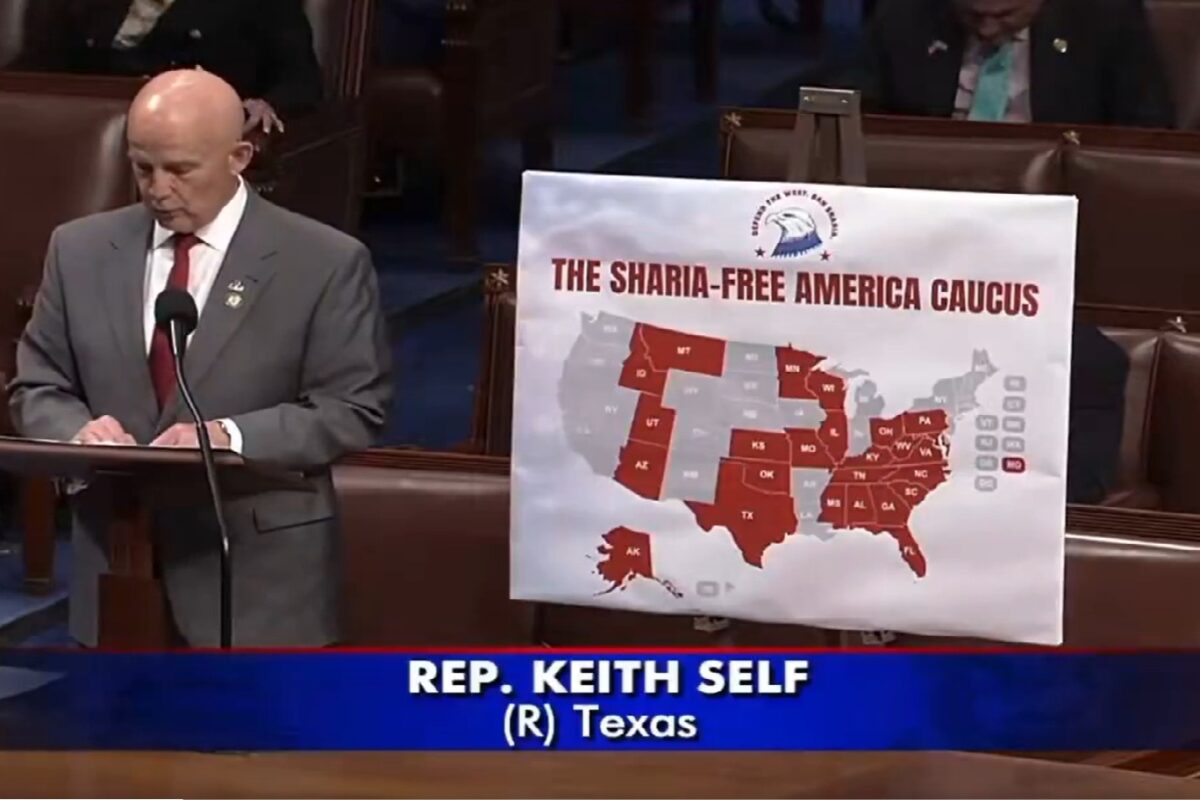
The caucus also needs a new chair. Maryland Rep. Andy Harris, the current chair, is term-limited. Missouri Rep. Eric Burlison and Texas Rep. Keith Self have both been floated as successors, though neither committed to seeking the post.
Whoever takes the job inherits a group that grew out of the tea party movement and has not always held together. Caucus members once voted to remove Georgia Rep. Marjorie Taylor Greene after a verbal altercation with Colorado Rep. Lauren Boebert, a fellow member.
Burlison described a membership built to absorb pressure. Caucus members are “used to being the ones that take all the slings and arrows,” he said. “We’re the battle-hardened Special Forces team that isn’t afraid of a fight.”
Self pointed to government surveillance as ground where the caucus could find unfamiliar allies.
“The surveillance state is real … from the FISA issue … to the Flock cameras,” Self said. “And that’s something that could be a natural area of bipartisan cooperation.”
Burlison blamed the “swampy middle” for “selling out the privacy of Americans.” He said he would welcome lawmakers from across the aisle who oppose surveillance and want to work with the caucus. Passage of the SAVE America Act, President Donald Trump’s voter ID bill, remains on the caucus agenda alongside the privacy fight.
Matthew Green, a politics professor at The Catholic University of America and author of “Legislative Hardball,” a book on the caucus, said the group’s role depends on which side holds the gavel. Inside a narrow majority, Green said, “the caucus can probably continue to exercise leverage as being a pivotal bloc.” Out of power, he said, its members “serve as a kind of ideological/messaging vanguard for the party.”
In that scenario, Green said, caucus members would turn to the floor and the airwaves. “They’ll be out there doing a lot of stuff on the floor, giving a lot of speeches, doing media hits to get the message out for their part … because you can’t really do a lot of legislating,” he said.
Membership decisions come after the election, when the caucus vets prospective members. Burlison said a candidate’s interest in the group does not settle the question.
“We have members who will get in a tough primary and they suddenly want to be a member of Freedom Caucus,” he said. “And we’d love to have [them] in the trenches with us.”
“But are we giving [them] access to the brand … without actually being willing to storm the castle when necessary?”